
Making History
Teams Elite Junior’s Road to World Gold
Some photographs capture a performance.
Others capture a moment that becomes part of history.
During the 2024–2025 synchronized skating season, I had an opportunity to photograph Teams Elite Junior that was particularly meaningful to me. My future stepdaughter is a member of the team, and over the course of the season I had watched her and her teammates devote countless hours to pursuing a goal that few athletes ever have an opportunity to reach.
Photography gave me a unique vantage point from which to document that journey. But in Gothenburg, I wasn't there simply as a photographer. I was there with her mother, Teralyn, watching someone we love compete with her teammates for a World Championship.
By the end of that weekend, they had accomplished something no American synchronized skating team had ever done before.
They became World Champions.
A Season Built for Something Bigger
There was little indication during the 2024–2025 season that Teams Elite intended to settle for anything less than extraordinary.
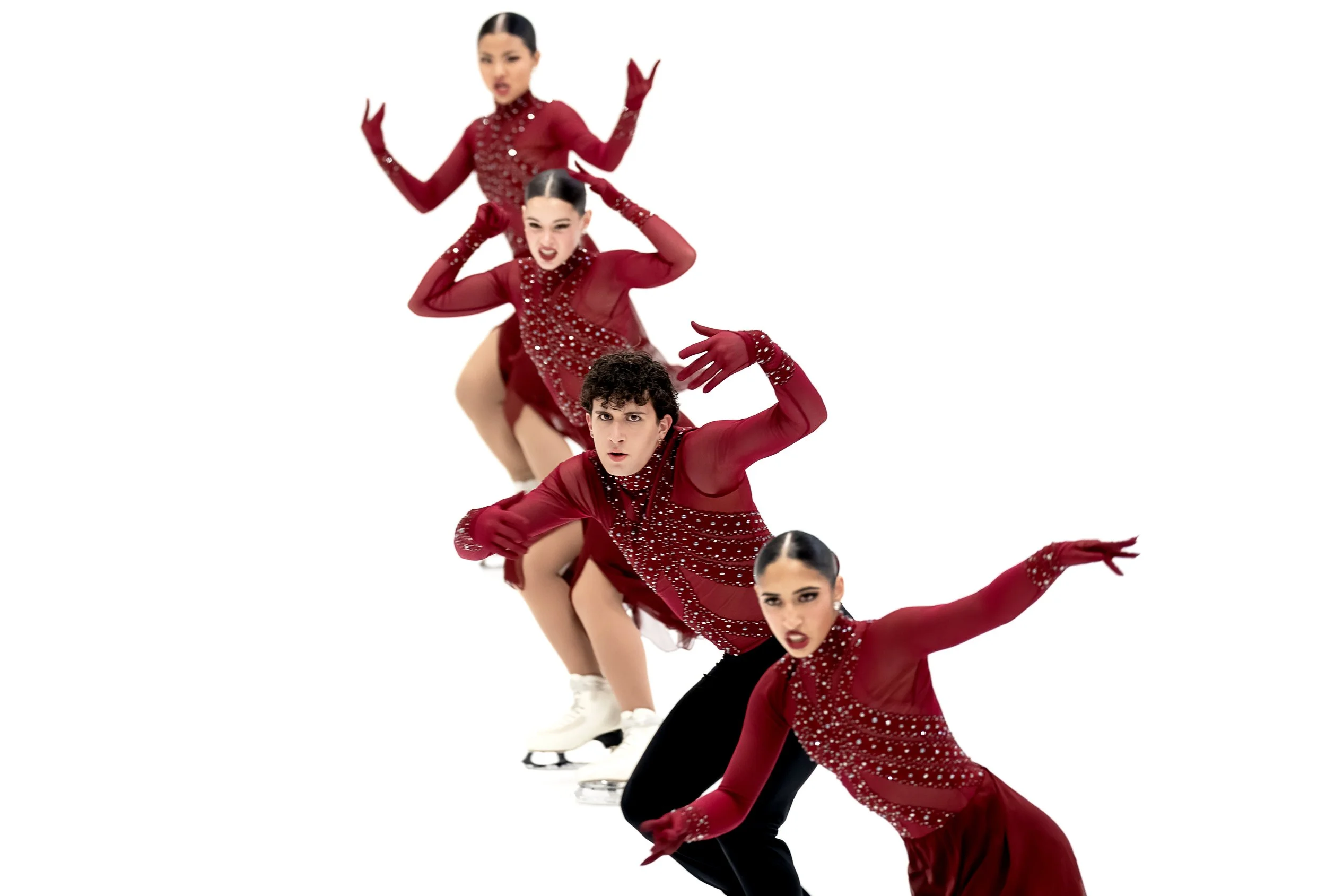
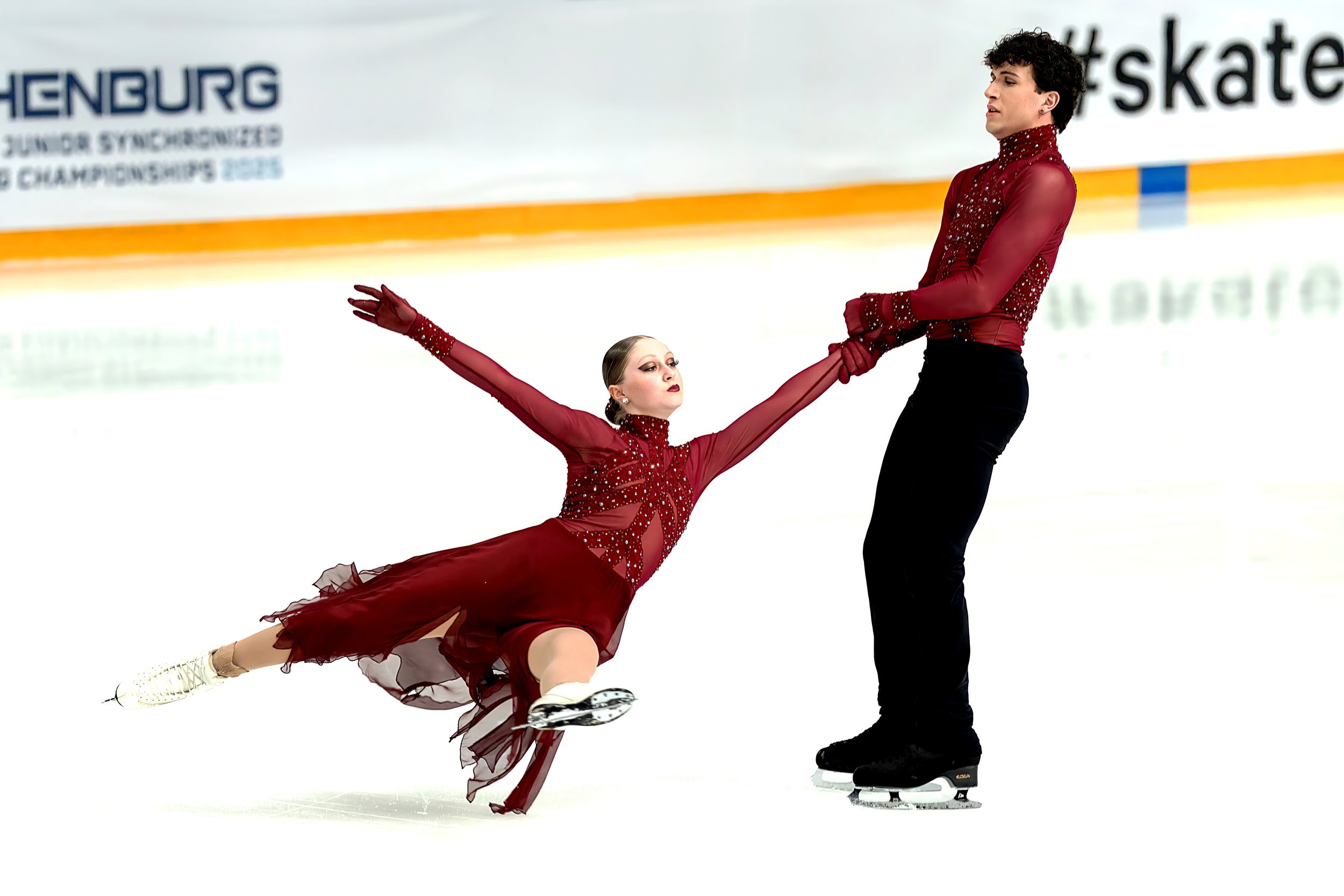
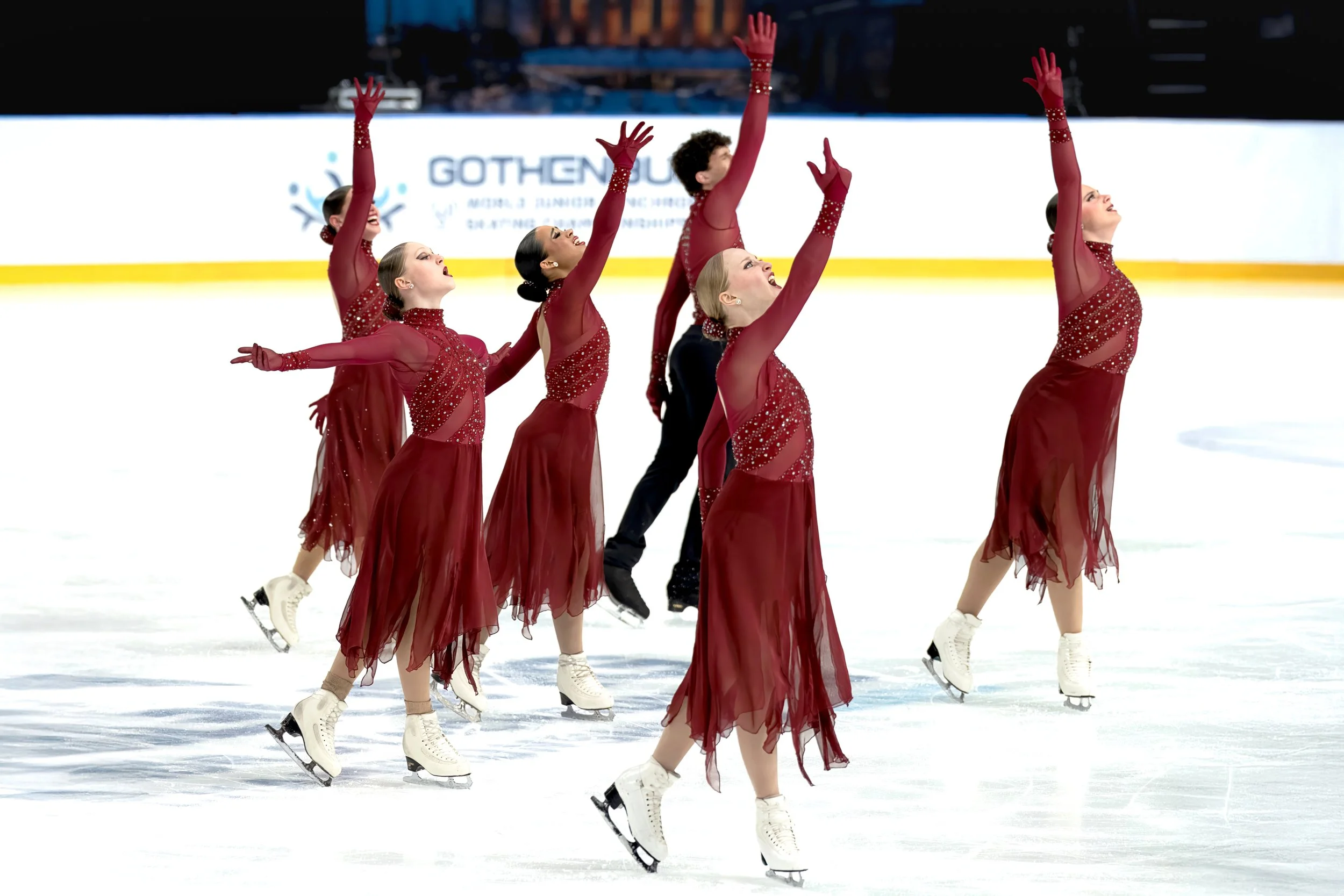
Their competitive programs—Lacrimosa for the short program and Black Swan for the free skate—combined speed, precision and athleticism with the theatrical qualities that make synchronized skating so compelling to photograph.
And they kept winning.
Teams Elite finished first in five of their six competitions during the season, including the U.S. International Classic, U.S. Synchronized Skating Championships and, eventually, the ISU World Junior Championships.
I was able to photograph two stops along that remarkable season.
The first was the 2025 U.S. Synchronized Skating International Classic in Massachusetts.
Teams Elite had won.
Not simply a medal.
Not simply another competition.
A World Championship.
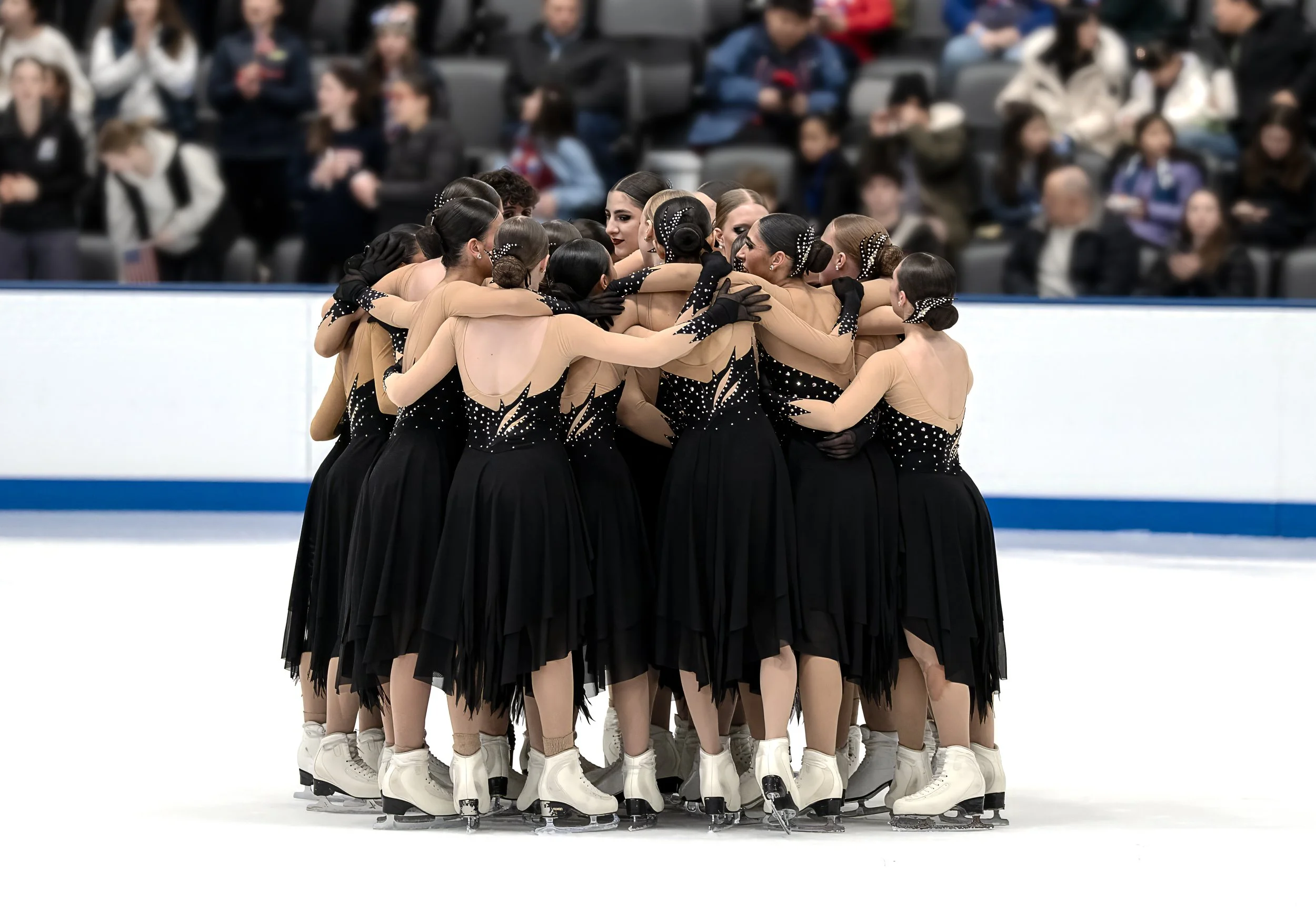
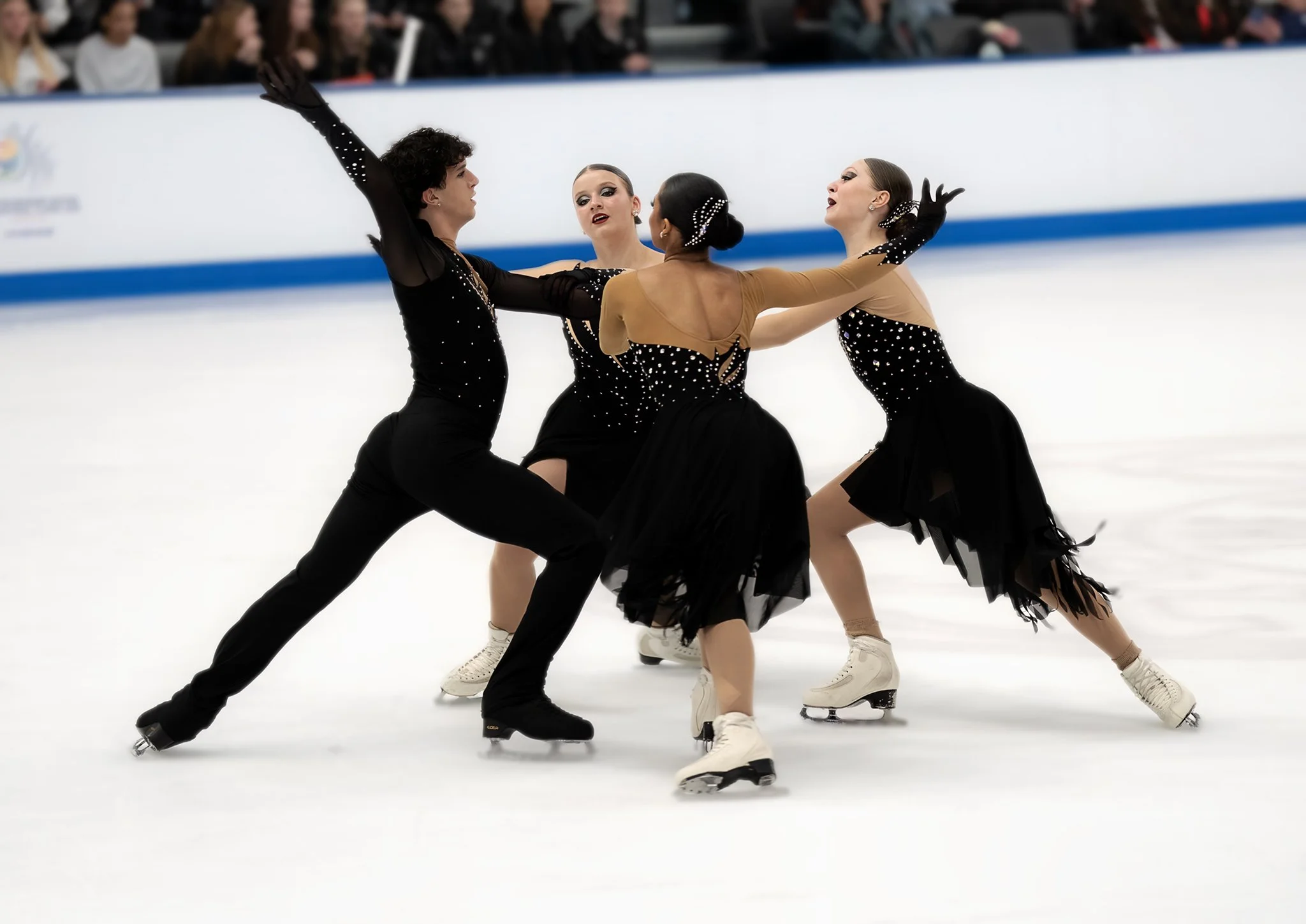
Synchronized skating presents an unusual challenge for a photographer.
You're not photographing one athlete.
You're photographing an entire team moving at speed while trying to anticipate formations, intersections, lifts and expressions that may exist for only a fraction of a second.
When everything comes together, however, the results can be spectacular.
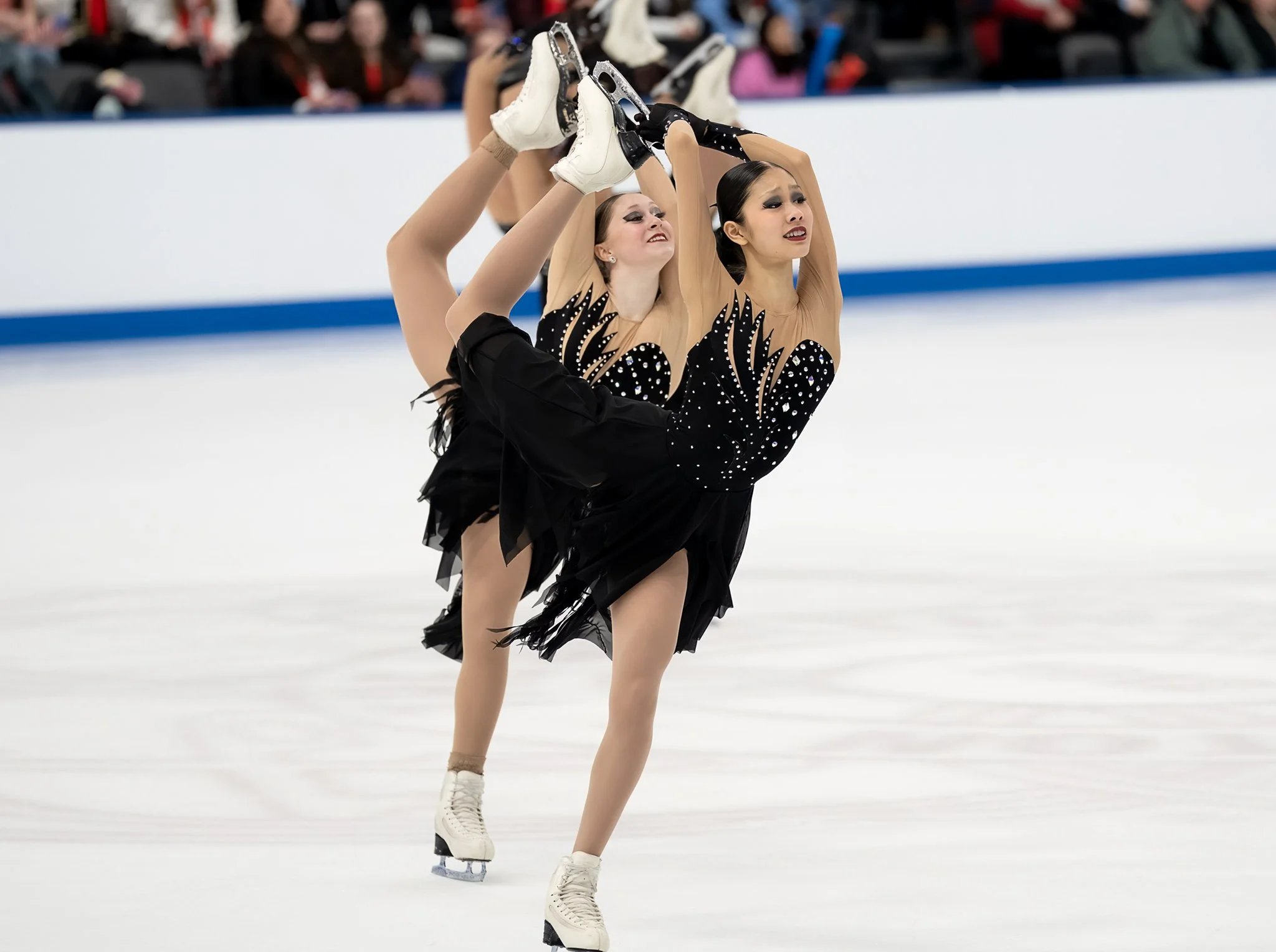
At the International Classic, Teams Elite won both the short program and free skate, finishing first with 201.74 points.
It was another victory in what was becoming an extraordinary season.
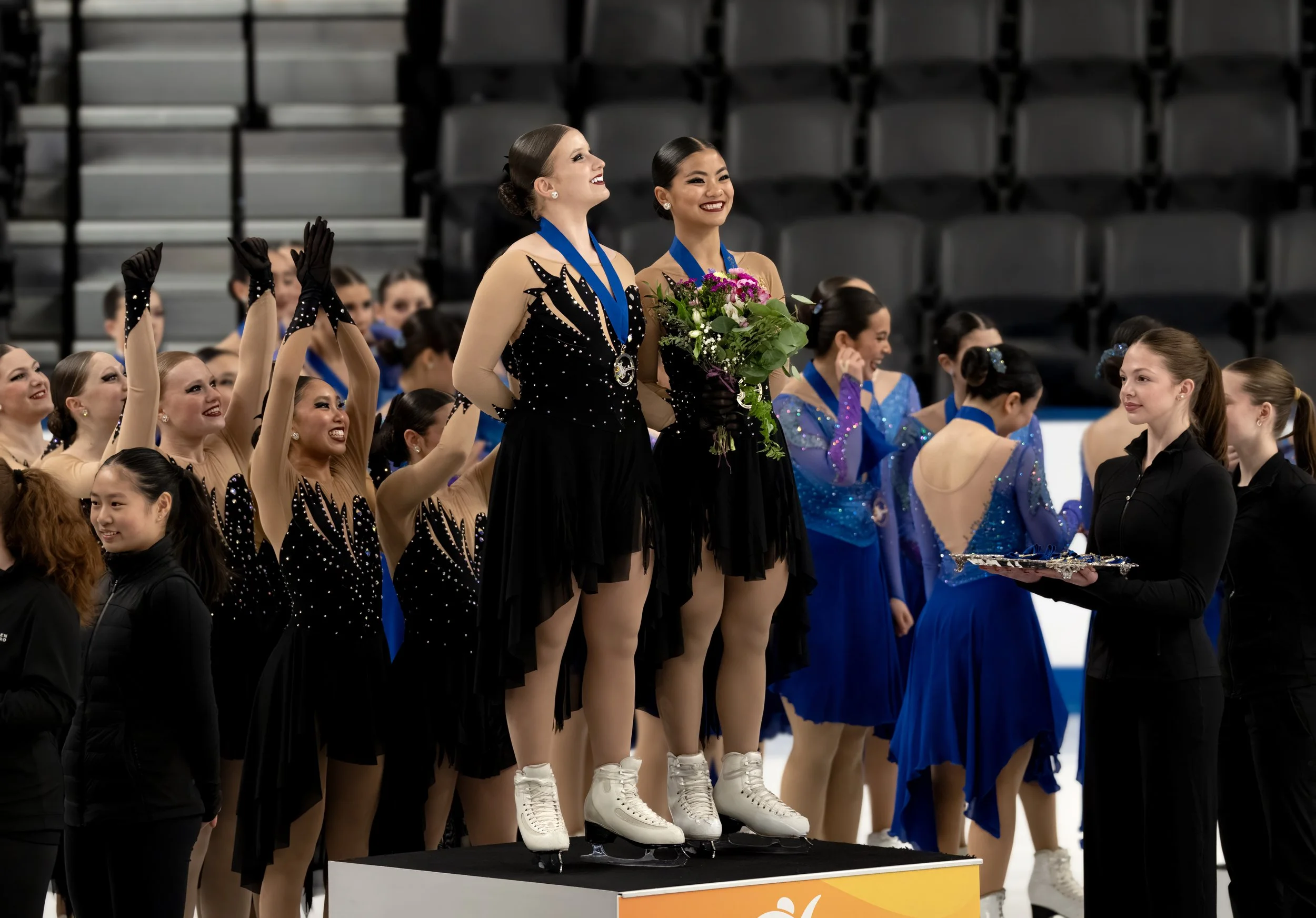
Teams Elite would go on to win the U.S. Junior Championship as well.
Next came Sweden.
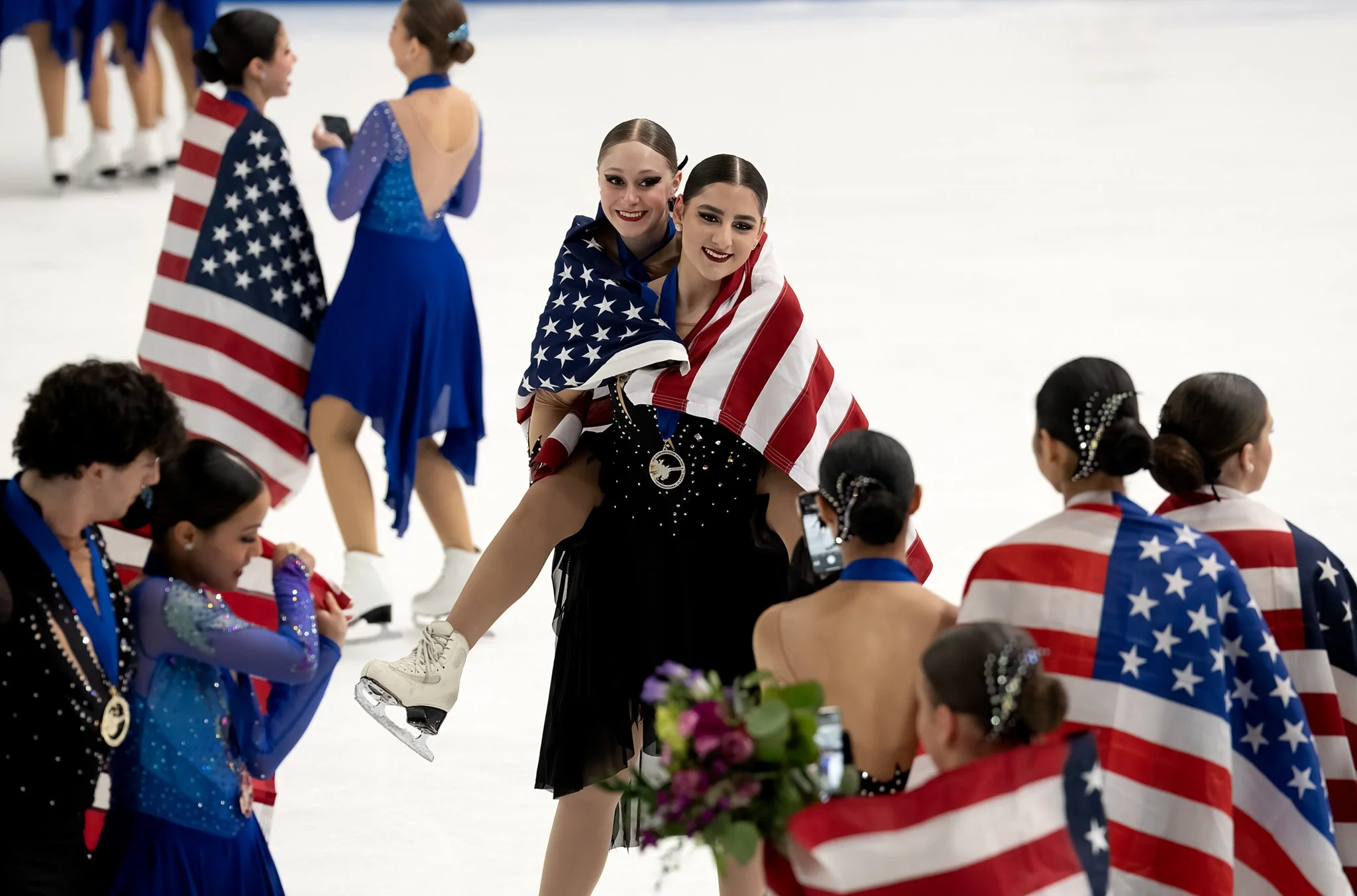
Gothenburg
In March 2025, 24 of the world's top junior synchronized skating teams gathered in Gothenburg, Sweden, for the ISU World Junior Synchronized Skating Championships.
There wasn't much opportunity for sightseeing. This wasn't a photography trip to Sweden; the reason for being there was inside Frölundaborg Arena.
Still, a few cellphone photographs provide a small glimpse of Gothenburg beyond the rink.
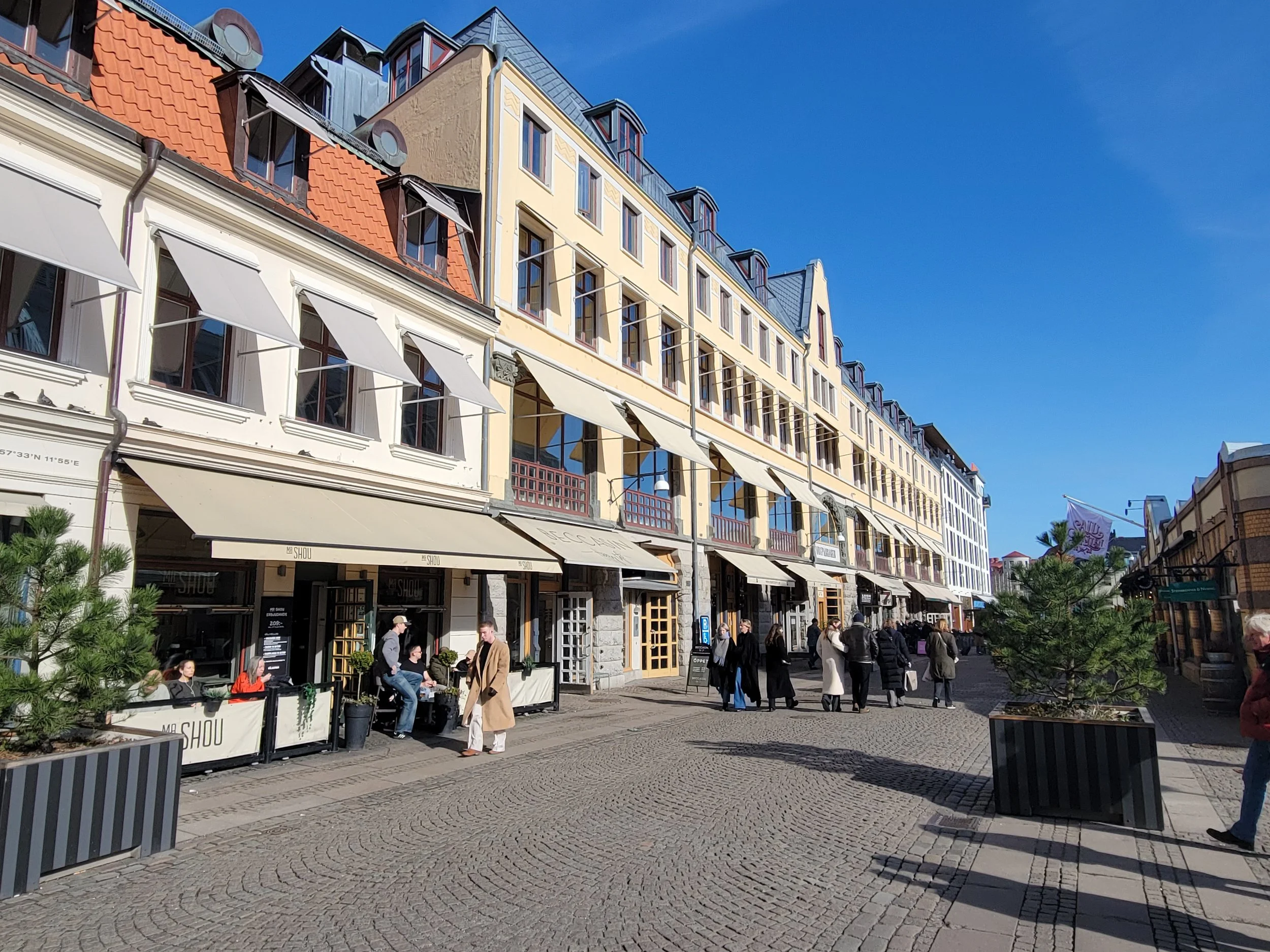
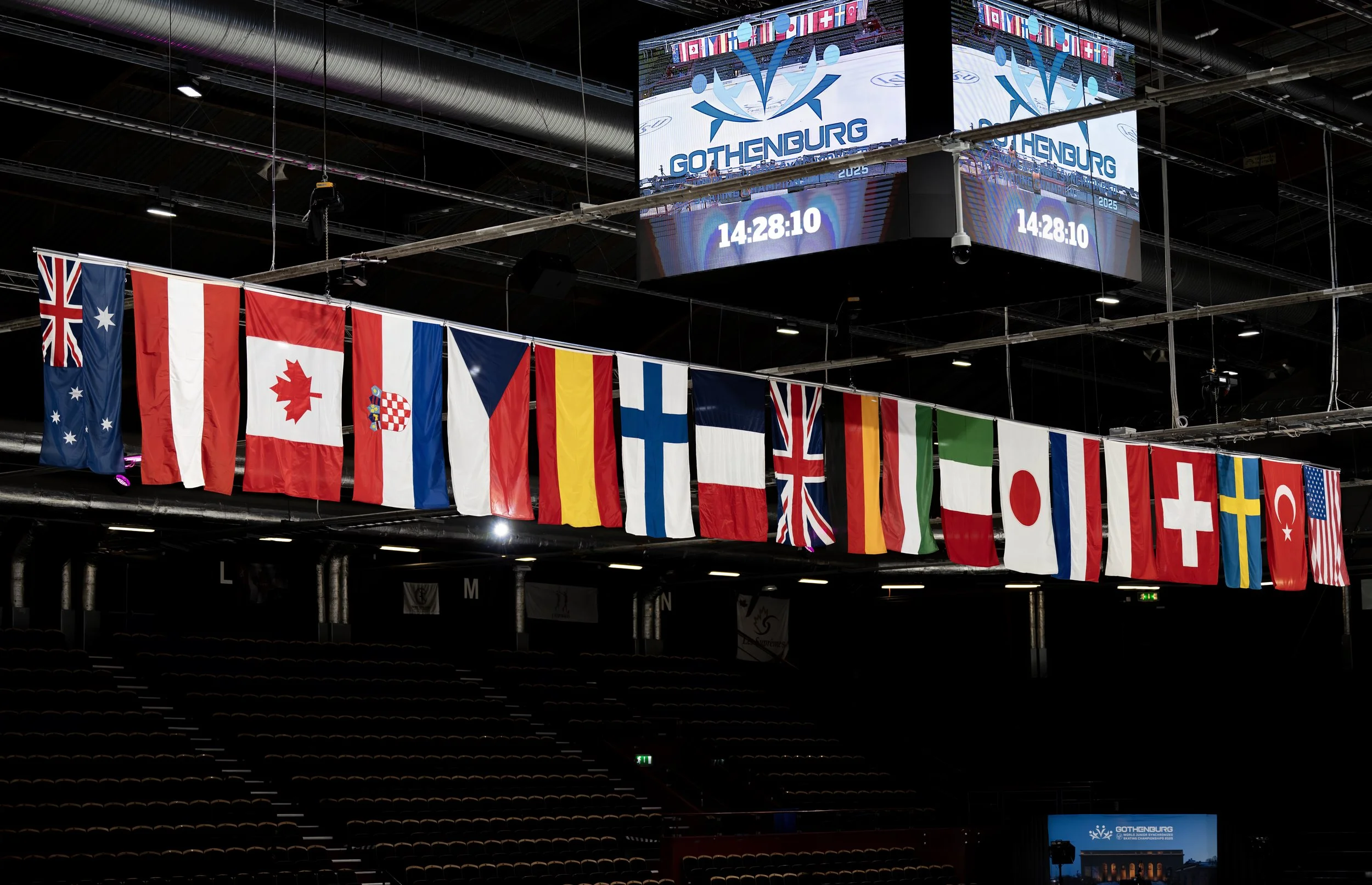
Inside the arena, the scale of the competition became immediately apparent.
Teams from Australia, Austria, Canada, Croatia, the Czech Republic, Spain, Finland, France, Great Britain, Germany, Hungary, Italy, Japan, the Netherlands, Poland, Switzerland, Sweden, Turkey and the United States had come to Gothenburg.
And among them was Teams Elite, representing the United States.
The Short Program
World Championships rarely unfold exactly as expected.
After the short program, Teams Elite sat in third place with 72.85 points, behind Canada's Les Suprêmes and fellow American team Skyliners.
But the competition could hardly have been closer.
Only 0.98 points separated first place from third.
The World Championship was still very much within reach.
That set up one final performance.
One final opportunity.
And one Black Swan free skate with a World Championship on the line.
One Last Skate
There is something particularly compelling about photographing athletes when the stakes are this high.
Years of training are compressed into minutes.
There is no opportunity to stop and try again.
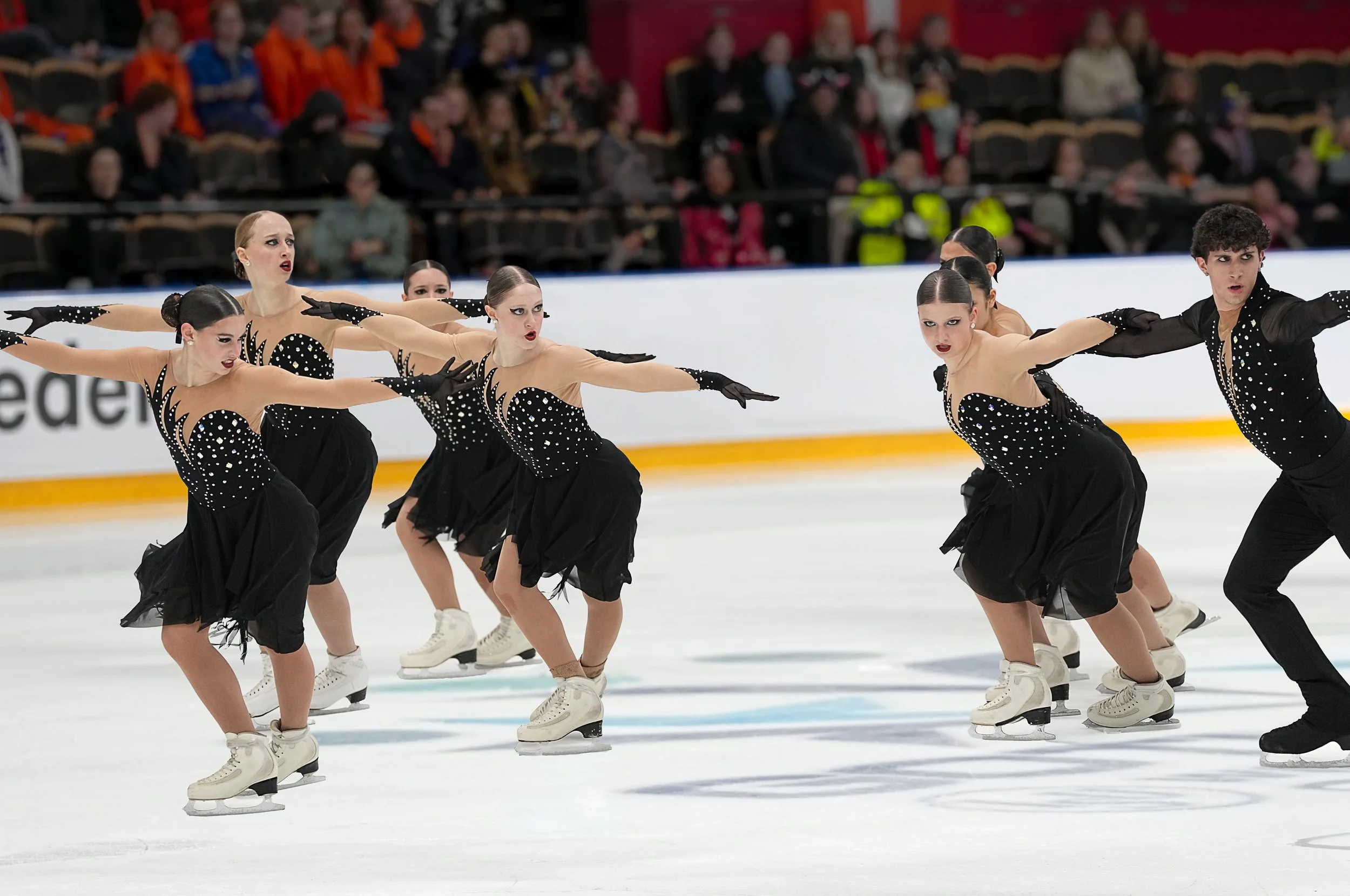
Everything has to happen together.
Edges.
Timing.
Spacing.
Speed.
Trust.
Sixteen individual skaters have to become one team.
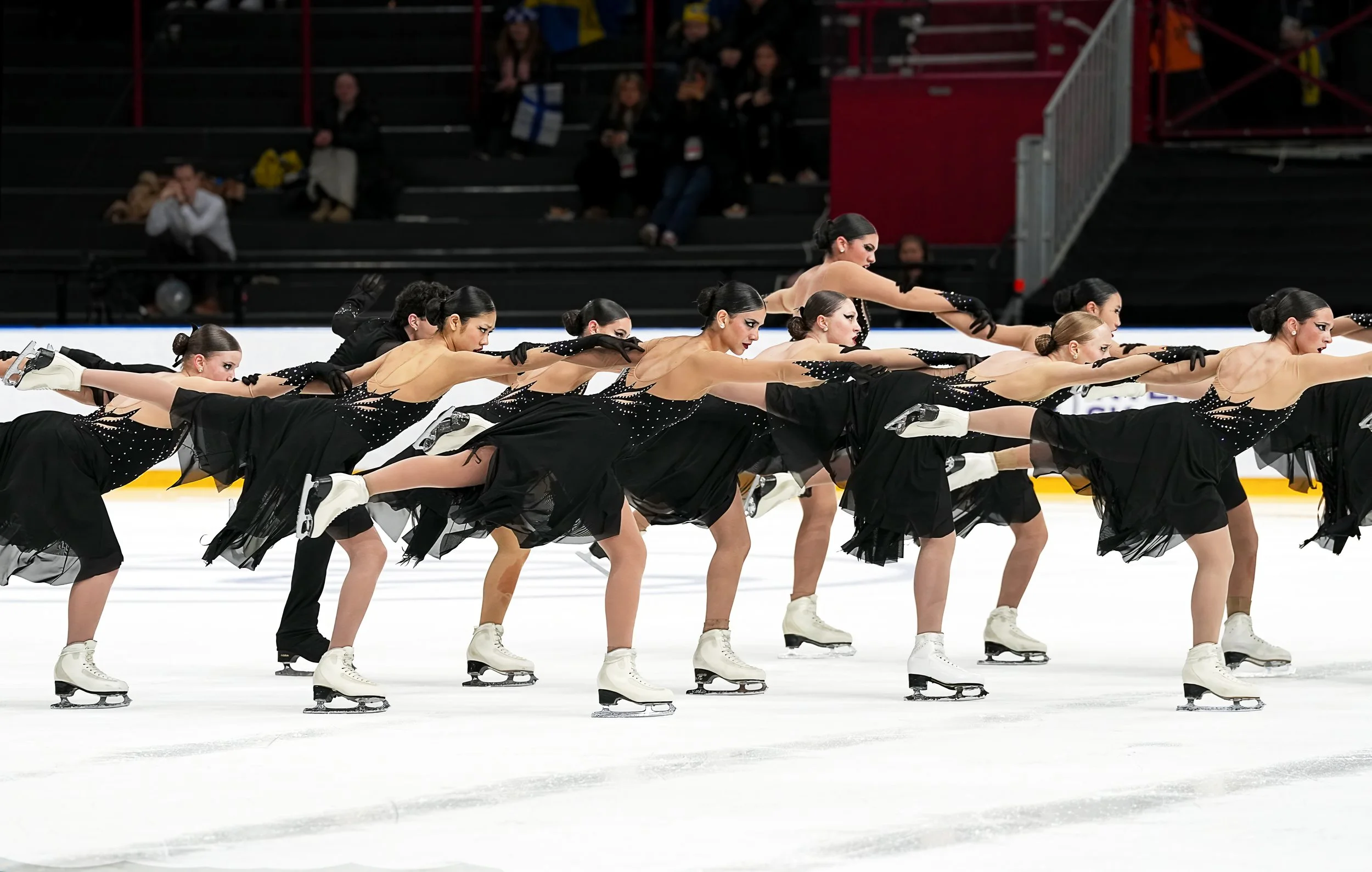
And on this day, they did.
Teams Elite delivered the highest-scoring free skate of the competition.
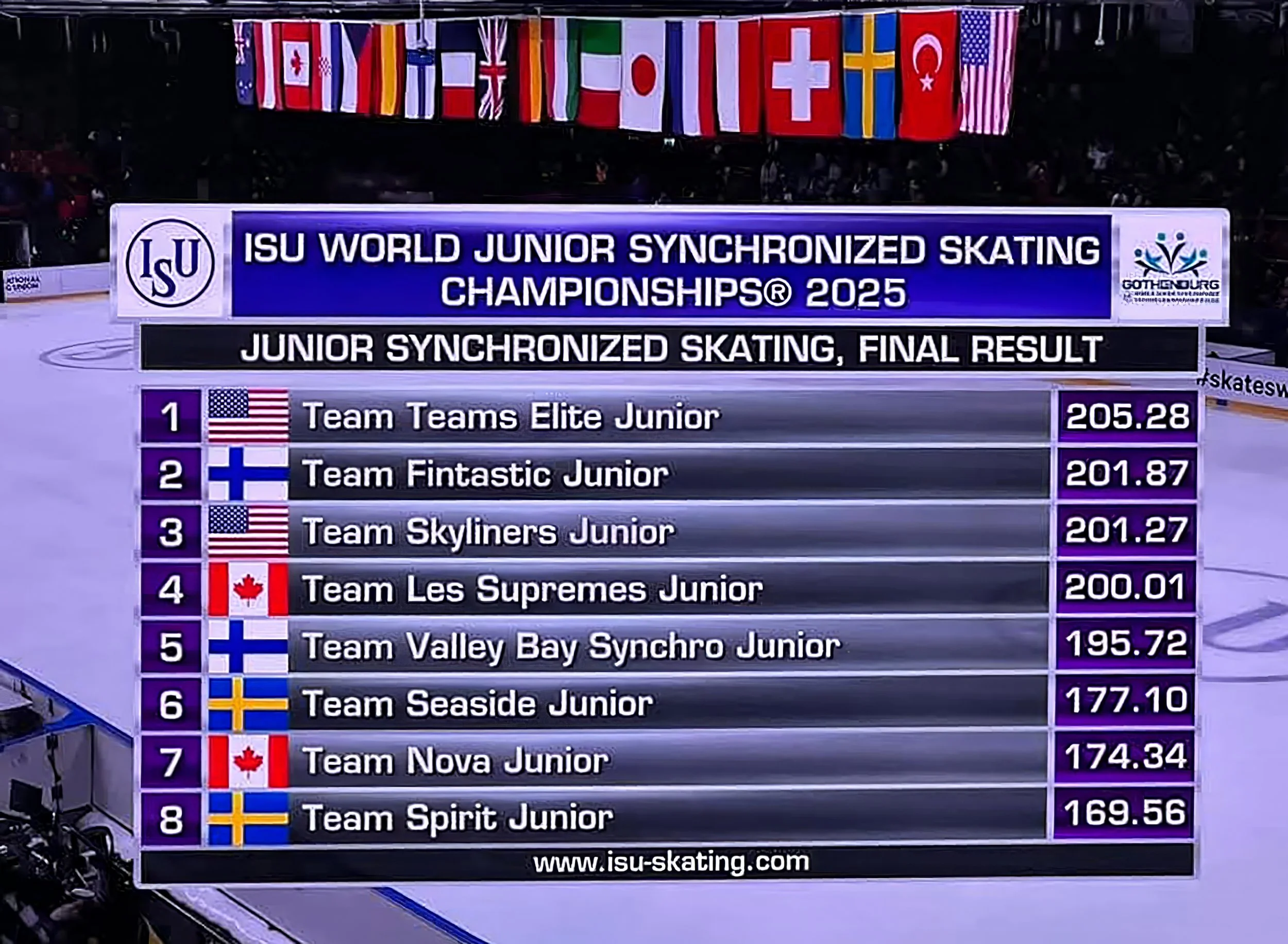
Their Black Swan program earned 132.43 points, moving them from third place to first with a combined score of 205.28.
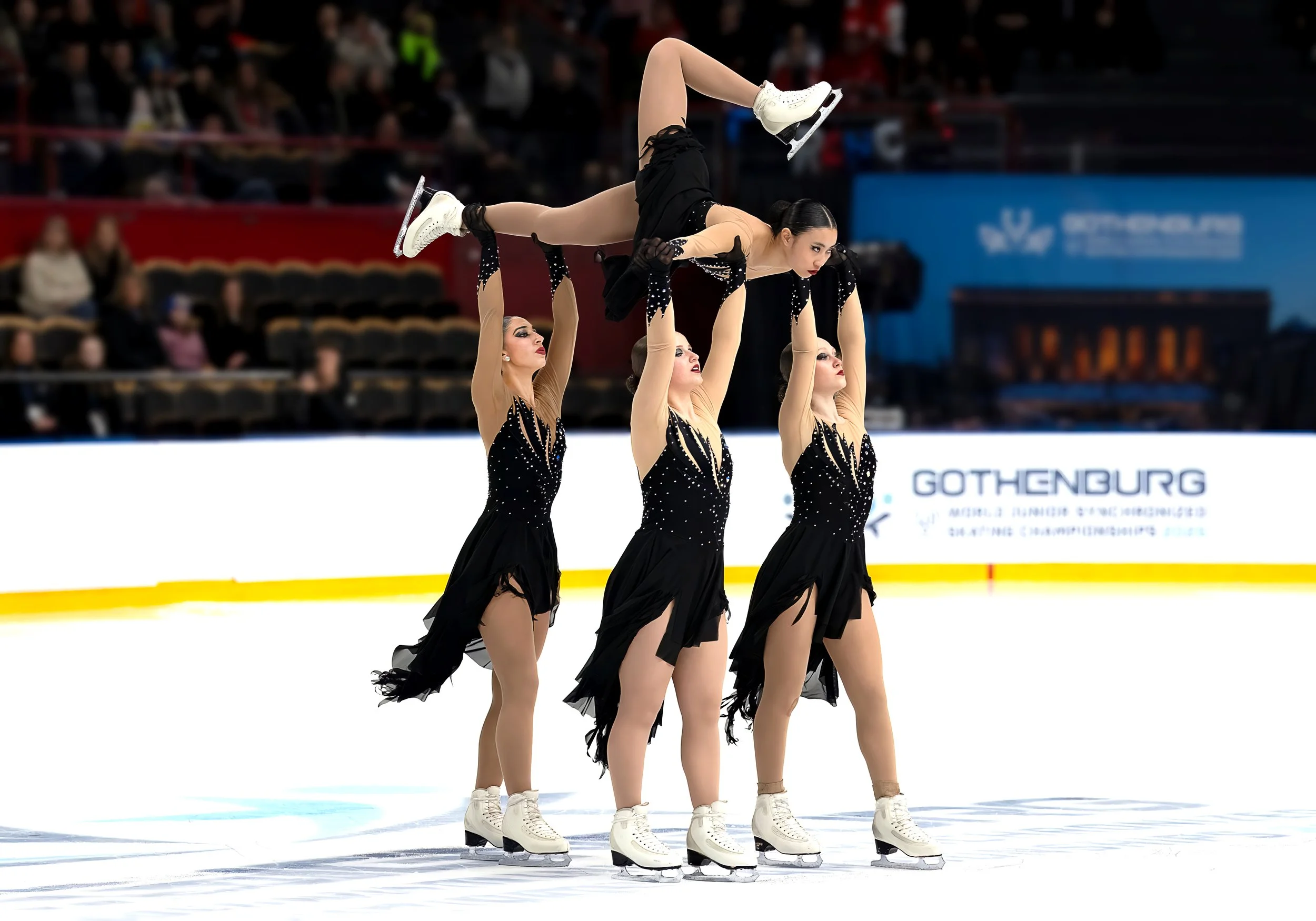
Then came the wait.
Scores appeared.
And suddenly the significance of what had just happened became clear.
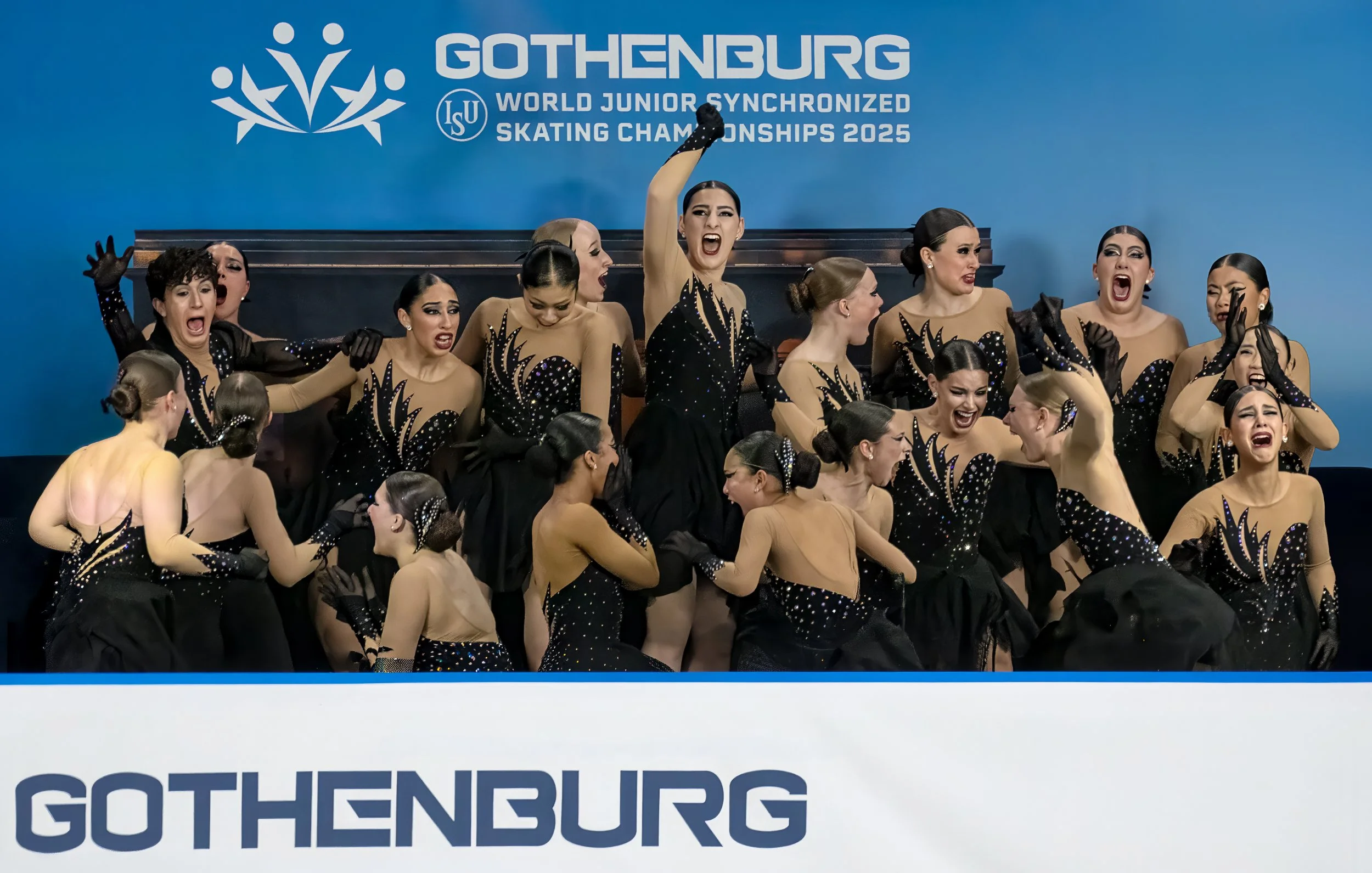
Teams Elite finished with 205.28 points, ahead of Finland's Fintastic Junior with 201.87 and fellow Team USA representatives Skyliners Junior with 201.27.
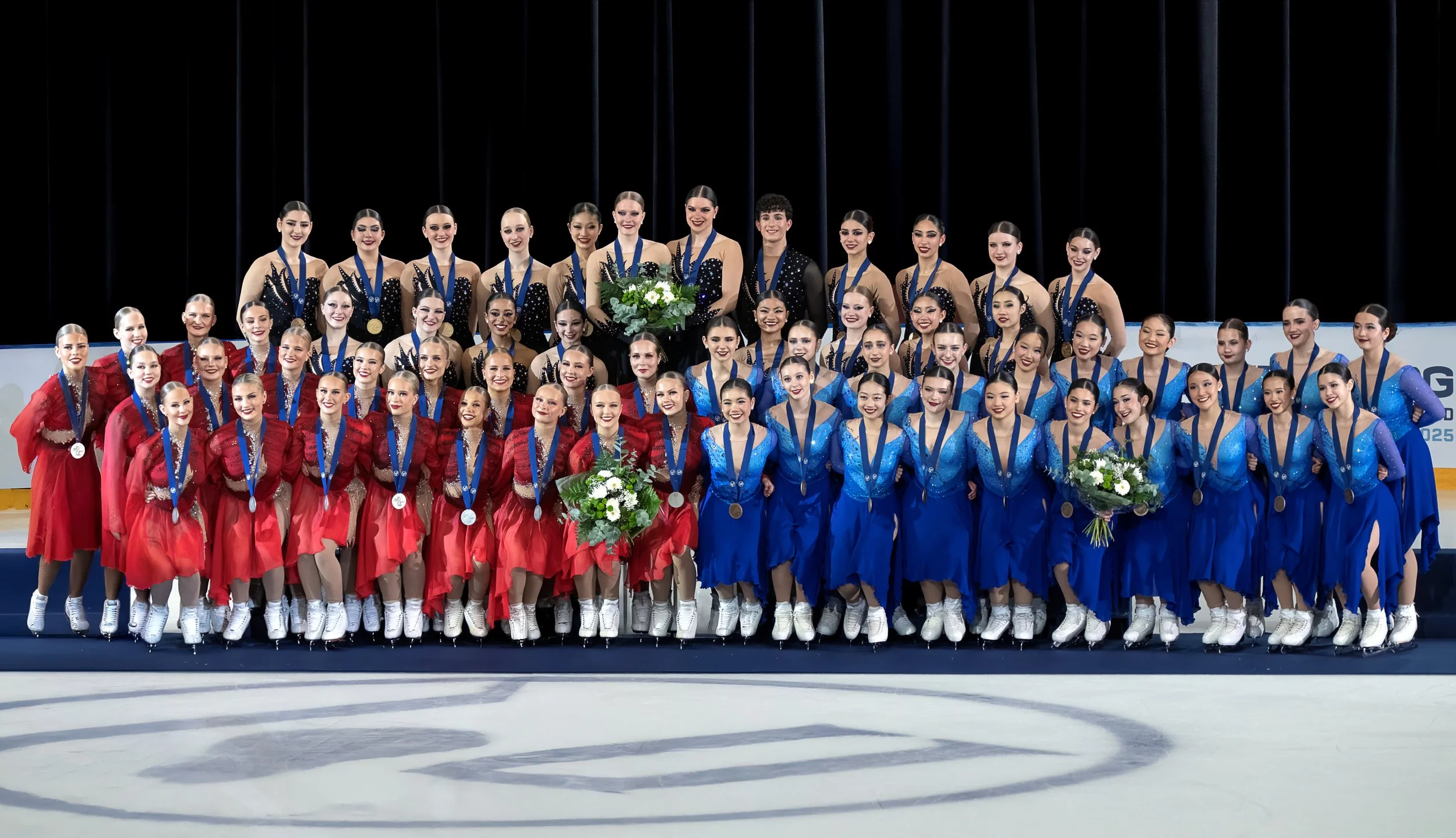
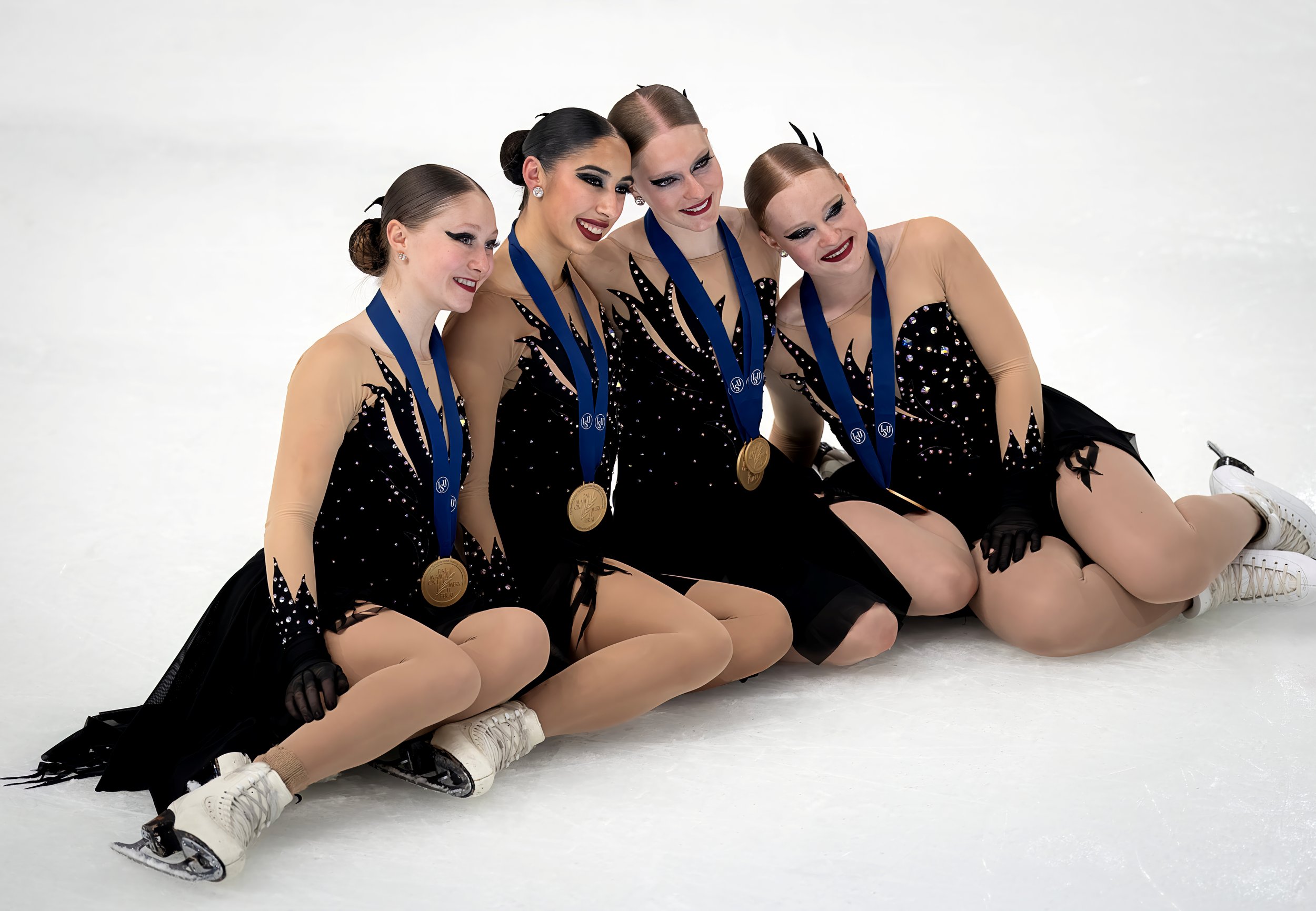
And with that victory, Teams Elite Junior became the first U.S. synchronized skating team to win gold at an ISU World Championship.
More Than a Photograph
From behind my camera, I had spent the competition concentrating on all the things a photographer normally thinks about—timing, composition, focus and anticipating what would happen next.
Then the final scores appeared.
For a moment, none of that mattered.
Teralyn and I had just watched her daughter and her daughter’s teammates become World Champions.
I can't adequately describe what it felt like to be inside Frölundaborg Arena at that moment. There was screaming and cheering, athletes crying and hugging, and an overwhelming realization that we had just witnessed something these skaters had worked toward for years.
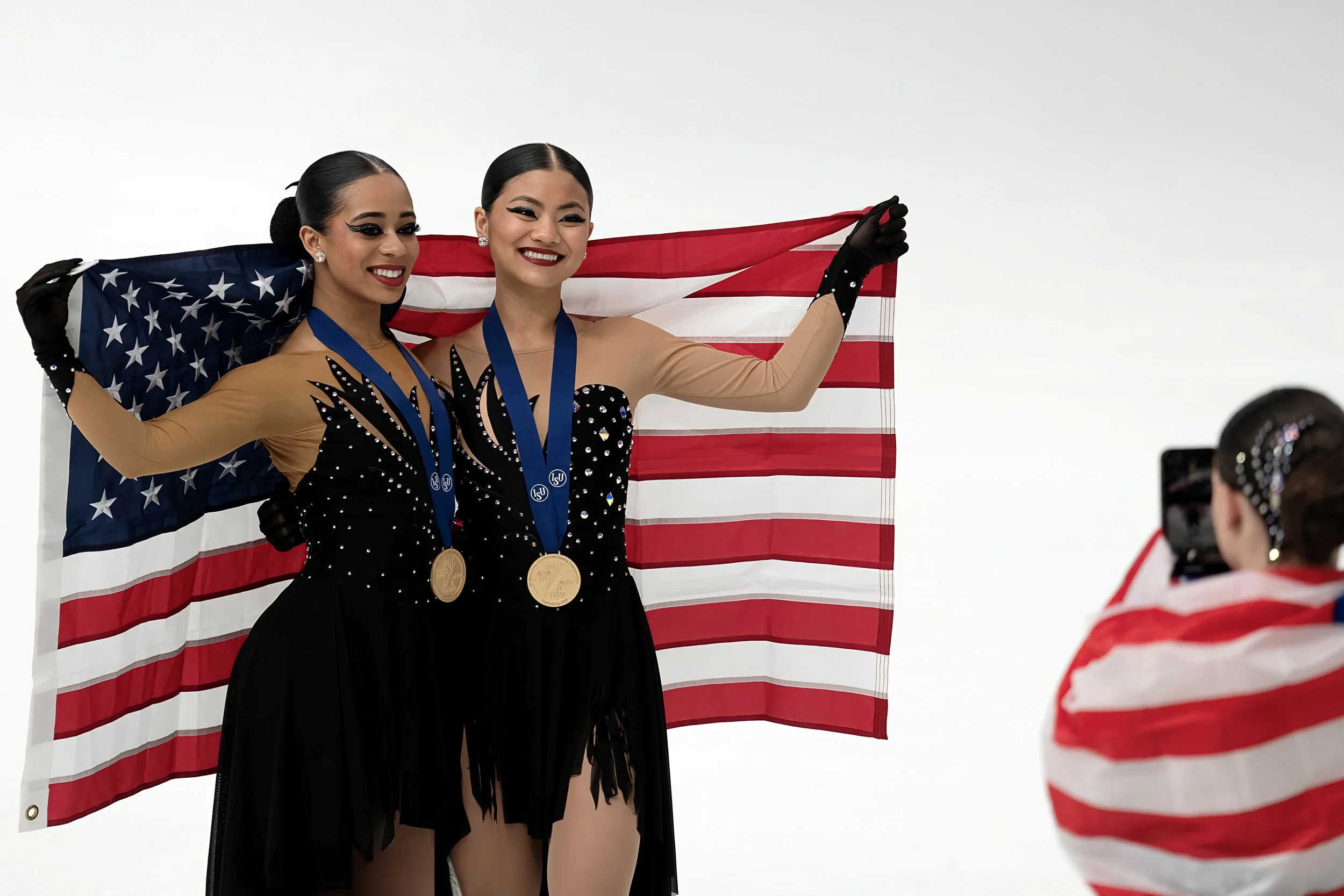
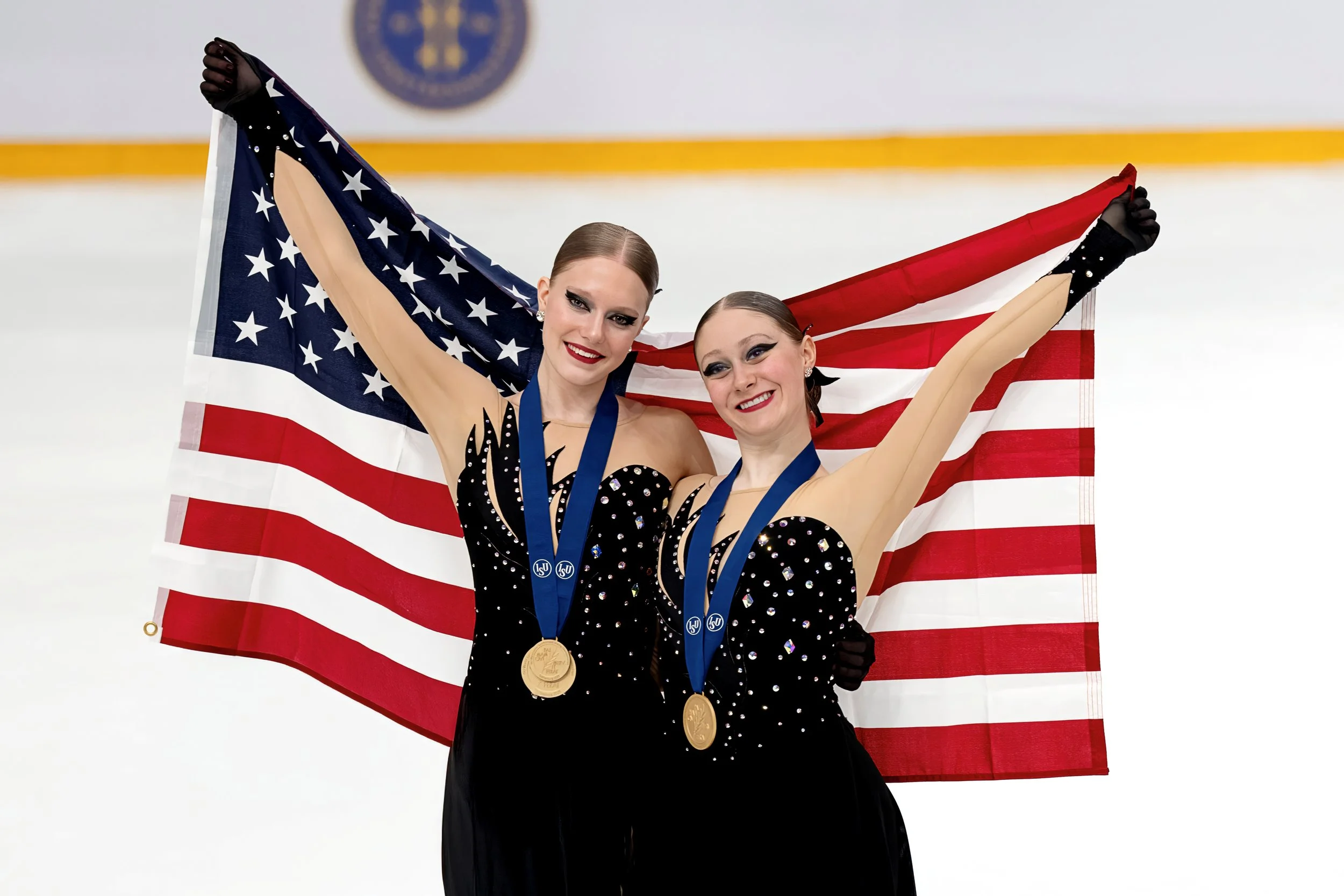
I was fortunate enough to photograph history.
But I was even more fortunate to be there to experience it with Teralyn and to watch her daughter become a World Champion.
Coming Home
Winning a World Championship in Sweden was one thing.
Coming home as World Champions was something else entirely.
Even before the flight landed in Chicago, the celebration had begun.
During the flight home, the captain came over the aircraft's PA system and announced that the newly crowned World Champion Teams Elite Junior was aboard, recognizing the team and what they had accomplished in Gothenburg.
But there was more waiting for them at O'Hare.
As the aircraft taxied toward the gate, airport fire trucks were positioned on either side of the plane. Their water cannons sent enormous streams of water into the air, creating ceremonial arches over the aircraft as it passed beneath them—a water salute for the new World Champions.
For the skaters, it was an unmistakable indication that what had happened in Gothenburg was bigger than another competition victory.
They had made history.
And the welcome wasn't over.
Inside O'Hare's international terminal, WGN and other Chicago-area news crews were waiting. Cameras, reporters and interviews greeted the team as they emerged from the international arrival area, bringing their gold medals—and a historic World Championship—home to Chicago.
U.S. Figure Skating later described their return as a “hero's welcome.” Coach Danielle Ostrower recalled the water salute as the moment the magnitude of what they had accomplished truly began to sink in.
One Photograph
There are photographs from competitions that I like because of the light.
Others because of the composition, expression or split-second timing.
And then there are photographs whose importance has very little to do with any of those things.
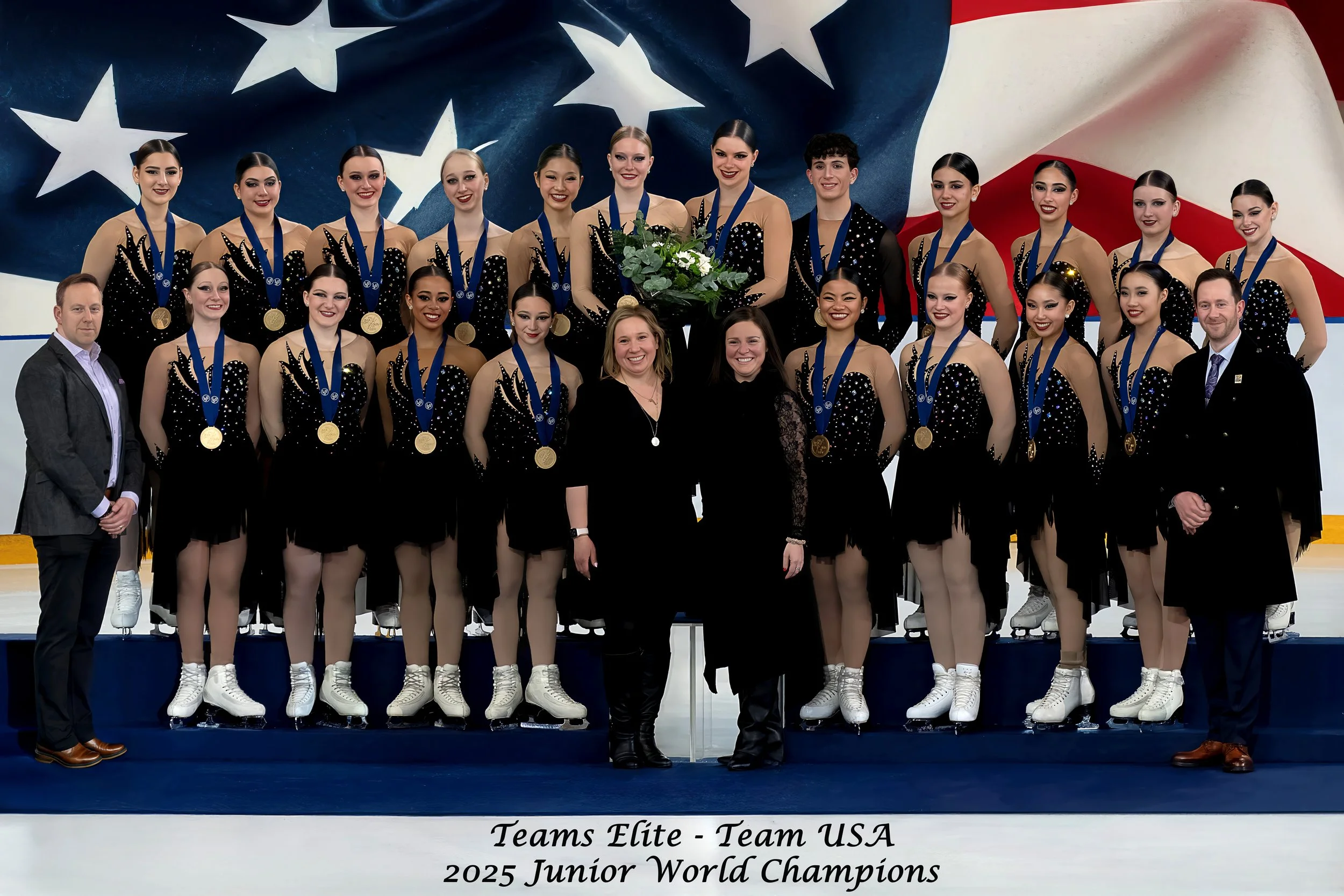
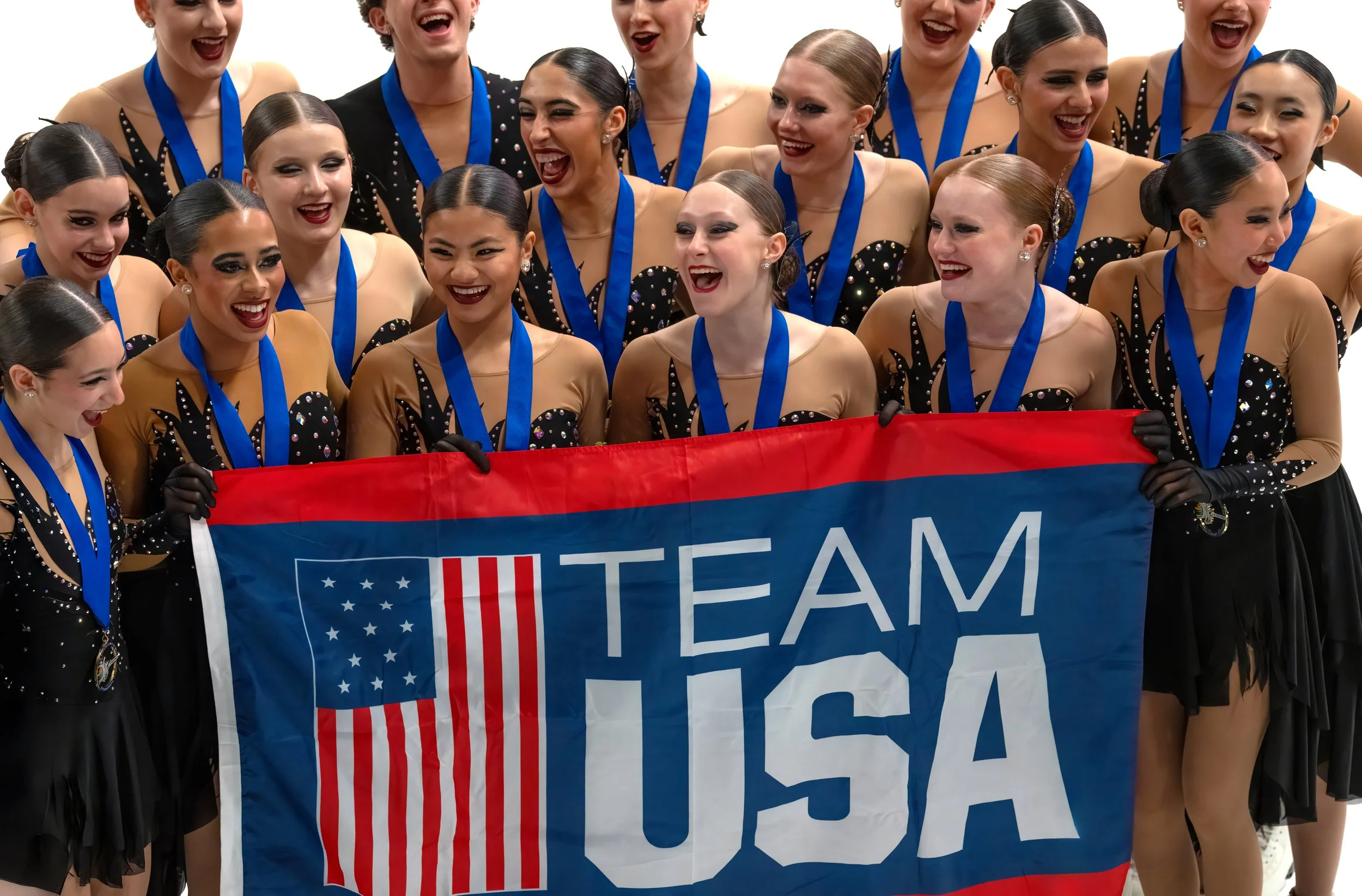
After winning the championship, I photographed the team together with their medals in front of a large image of a waving American flag.
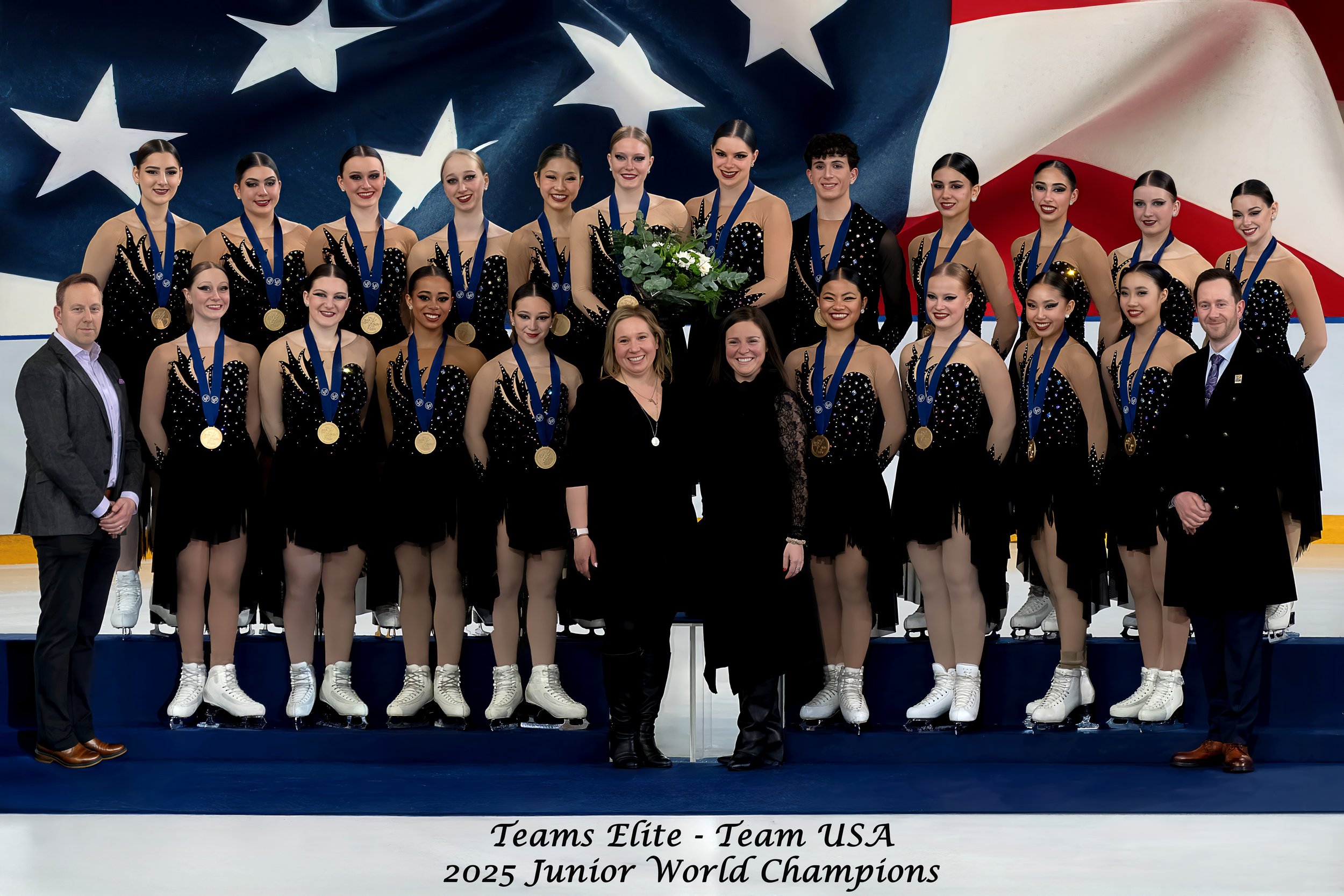
That photograph didn't remain merely another image from the competition.
It was eventually printed as a 16 × 24-inch metal print and placed front-and-center in the extensive Teams Elite trophy case at the team's home rink in Northbrook, Illinois.
As a photographer—and as someone with a personal connection to this remarkable group of young athletes—it's difficult to imagine a more meaningful home for it.
The trophy case contains the tangible history of Teams Elite—the medals, accomplishments and championships earned through years of work.
And now, among them, hangs a photograph from the day this team made history.
I pressed the shutter.
They did everything else.
Teams Elite Junior.
Team USA.
2025 World Champions.