
Learning at the Edge
Inside Elite Edge Synchronized Skating Camp with Olympian Jason Brown
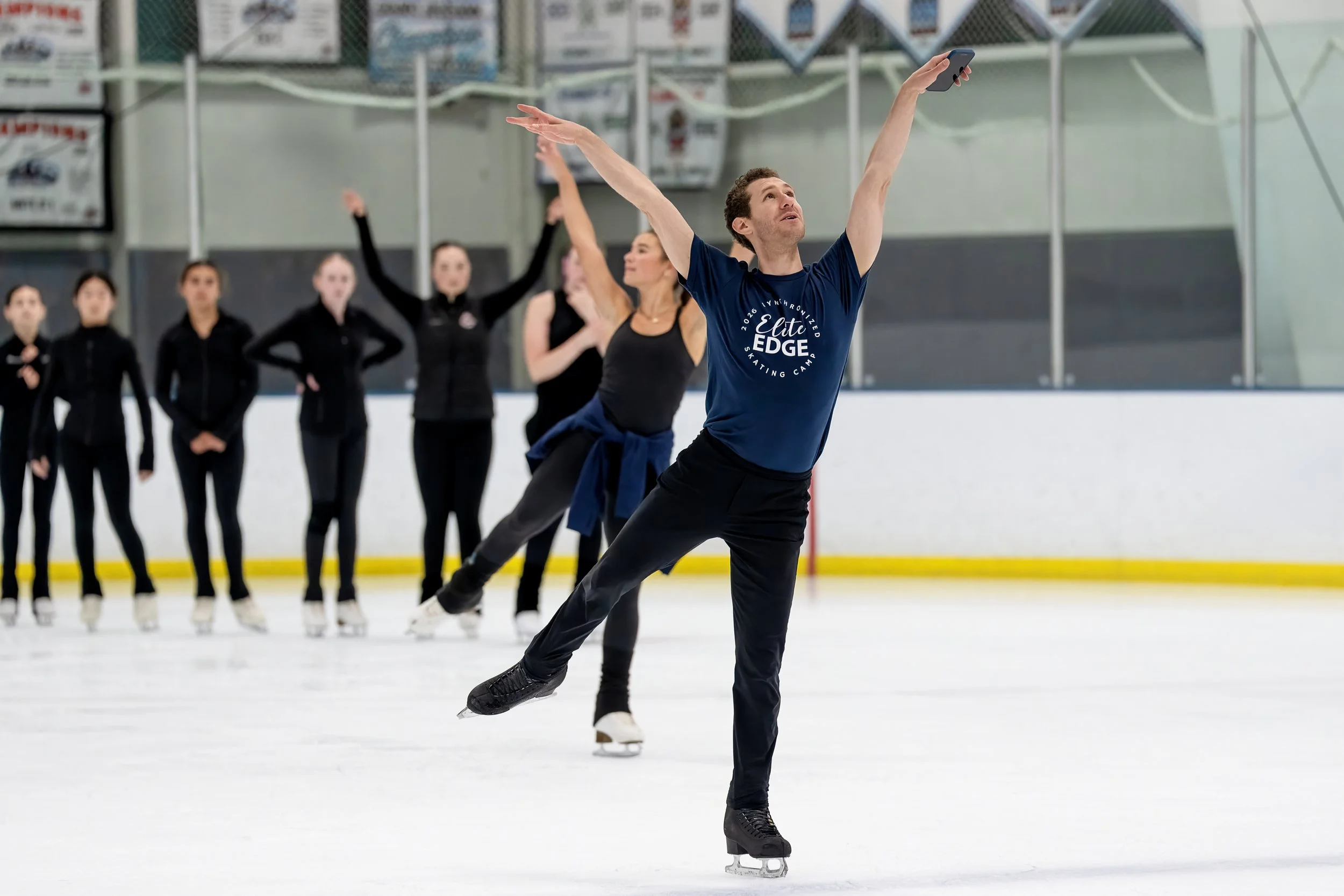
There is a difference between watching an elite athlete perform and watching one teach.
At Elite Edge Synchronized Skating Camp, I had the opportunity to photograph both.
The camp brought together young synchronized skaters, coaches, and an extraordinary guest instructor: Olympic figure skater Jason Brown.
I've photographed plenty of skating from the other side of the boards, where the objective is usually to anticipate the jump, the expression, the extension or the fraction of a second when everything comes together.
This was different.
I wasn't photographing a finished performance.
I was photographing the process of becoming better.
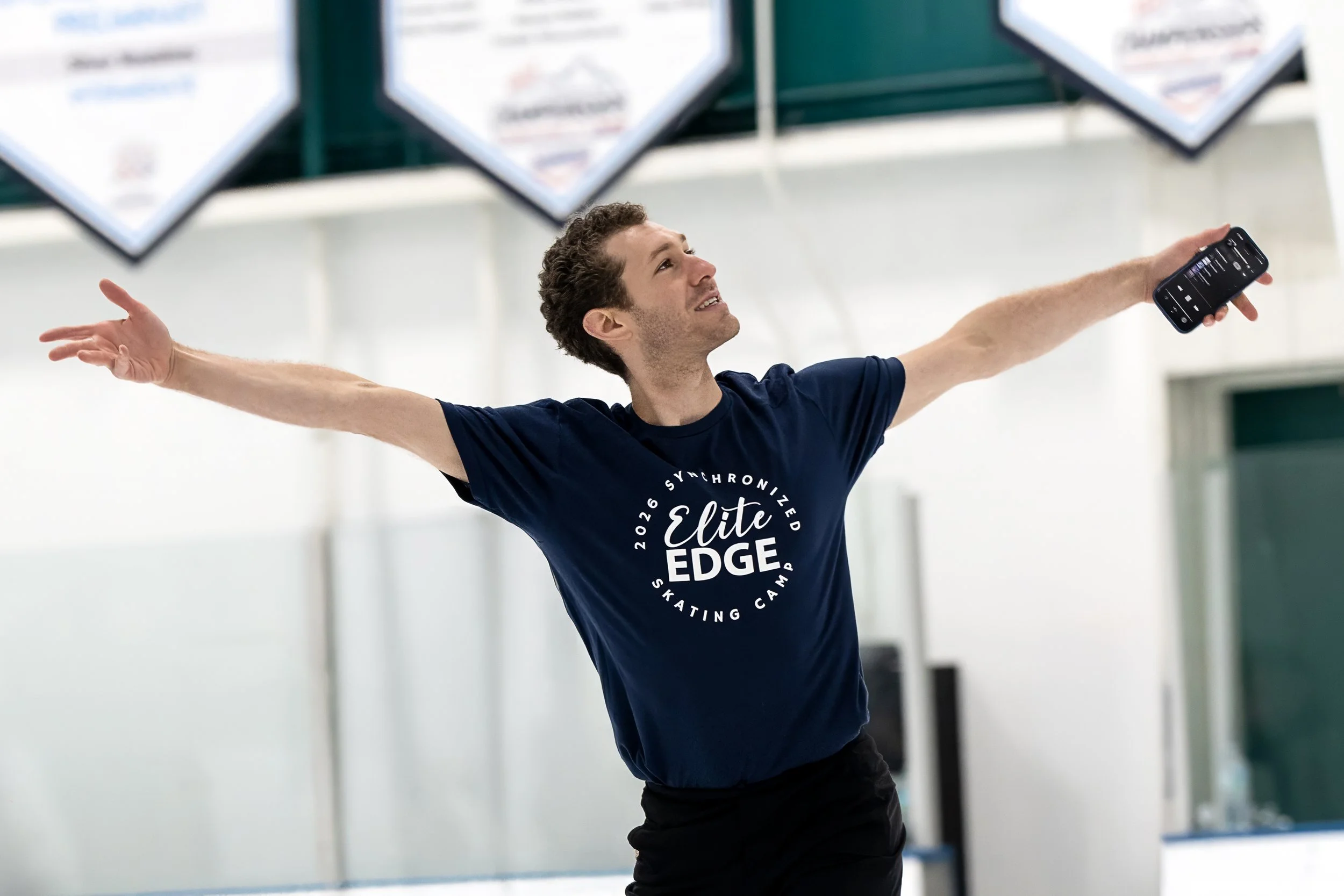
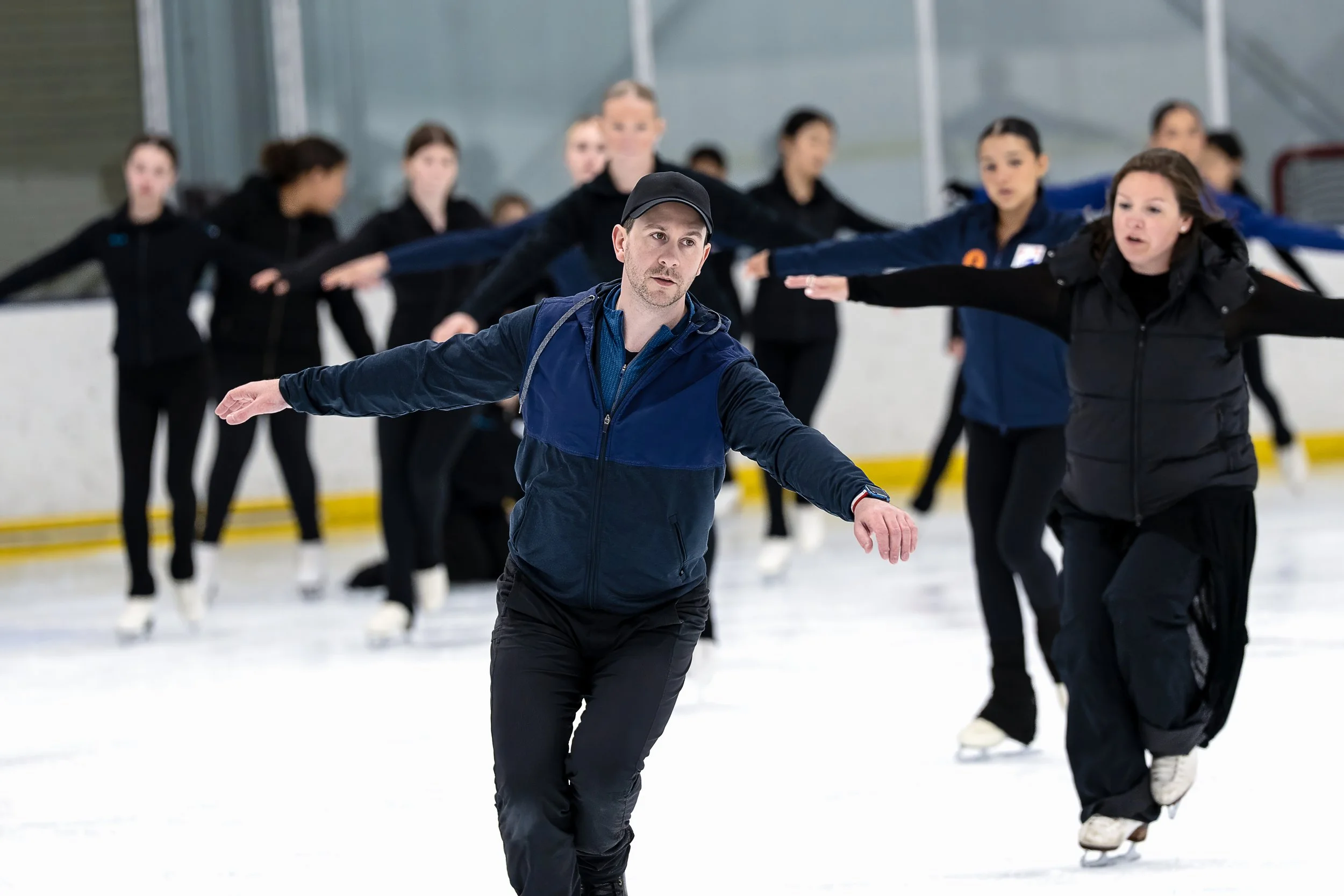
Even during a demonstration, Jason Brown is extraordinarily expressive.
Movement that happens very quickly on the ice becomes something completely different through a camera: edges, posture, hands, facial expression and body position all frozen into a single frame.
And then, almost immediately, the performance becomes instruction.
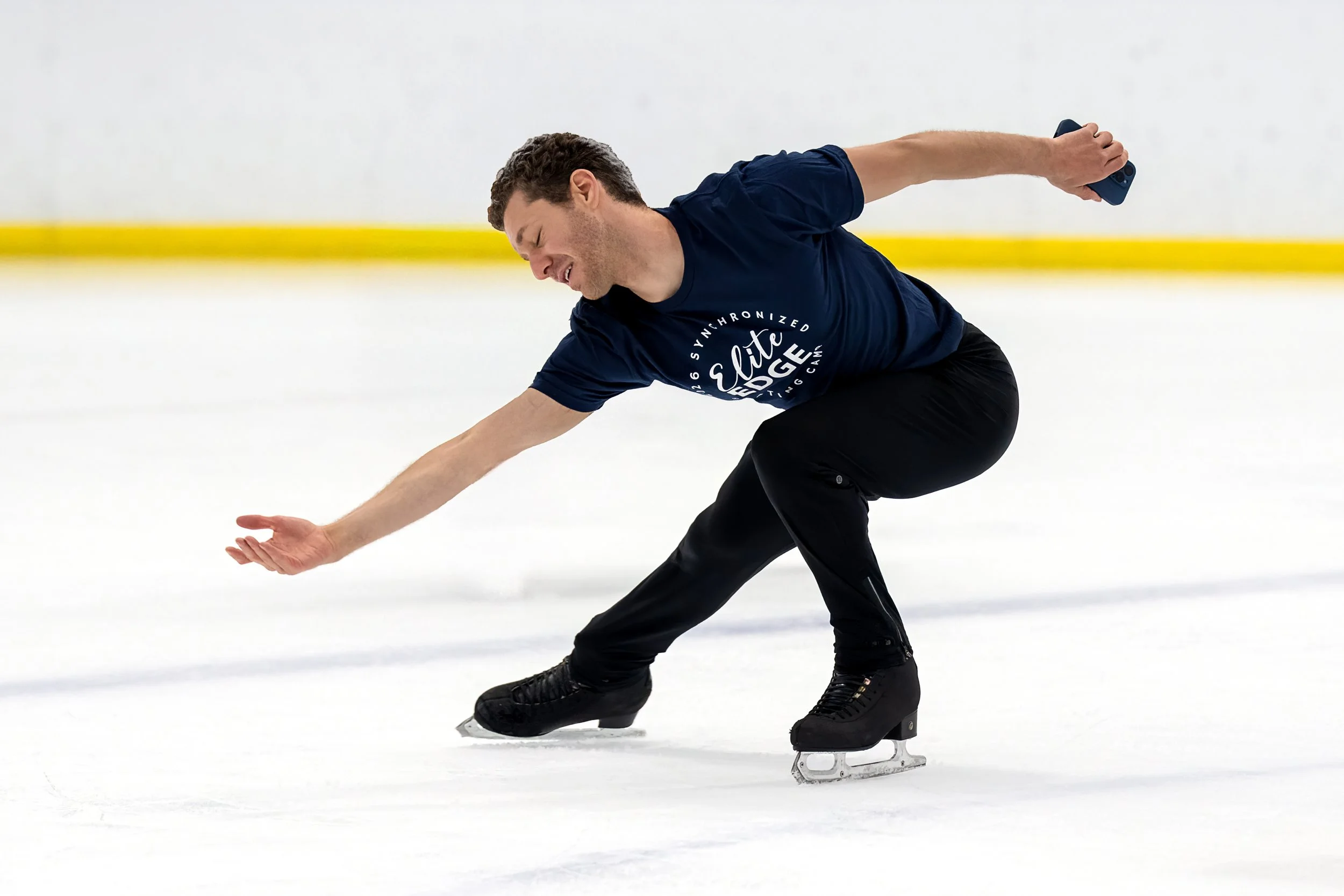
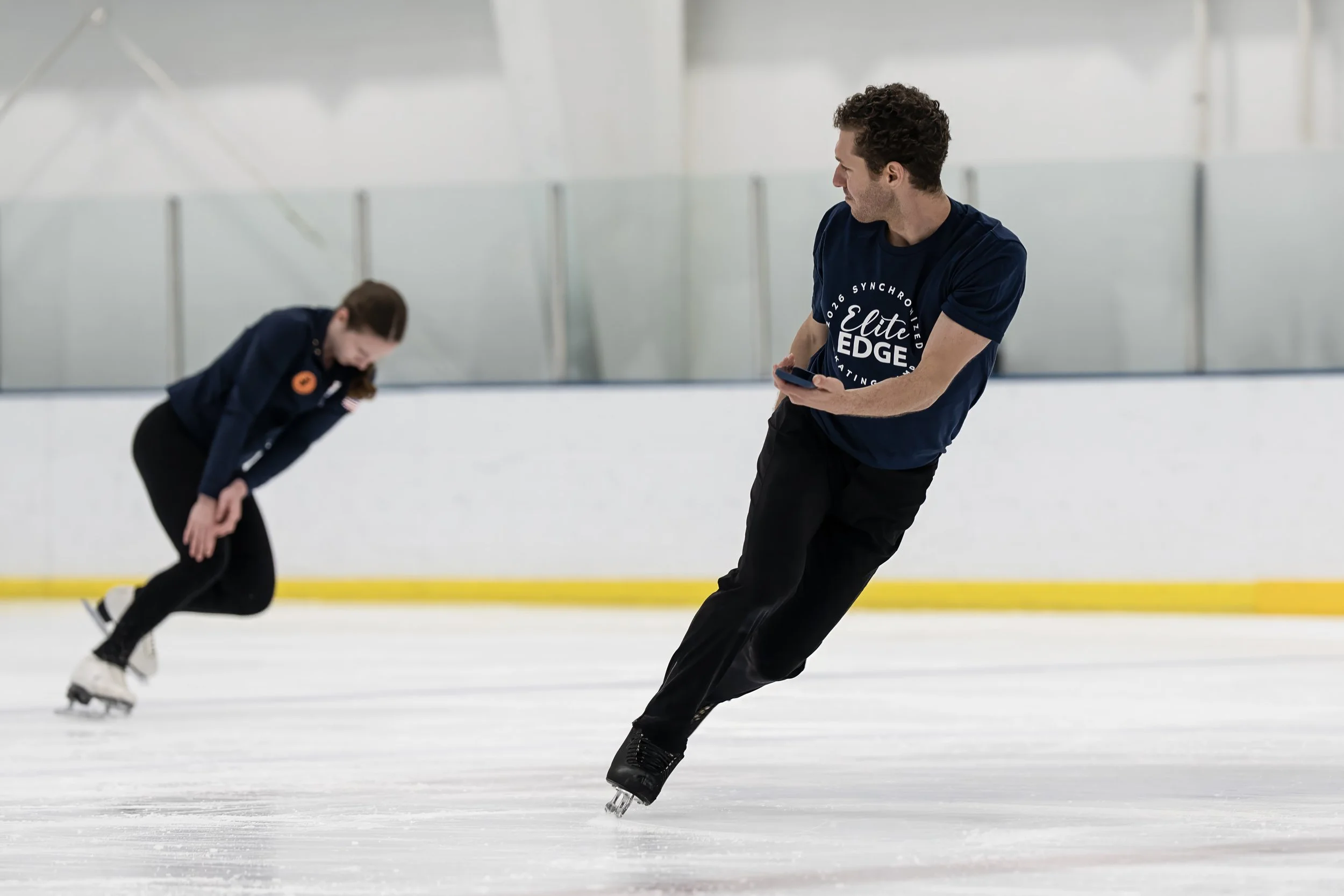
From Demonstration to Teaching
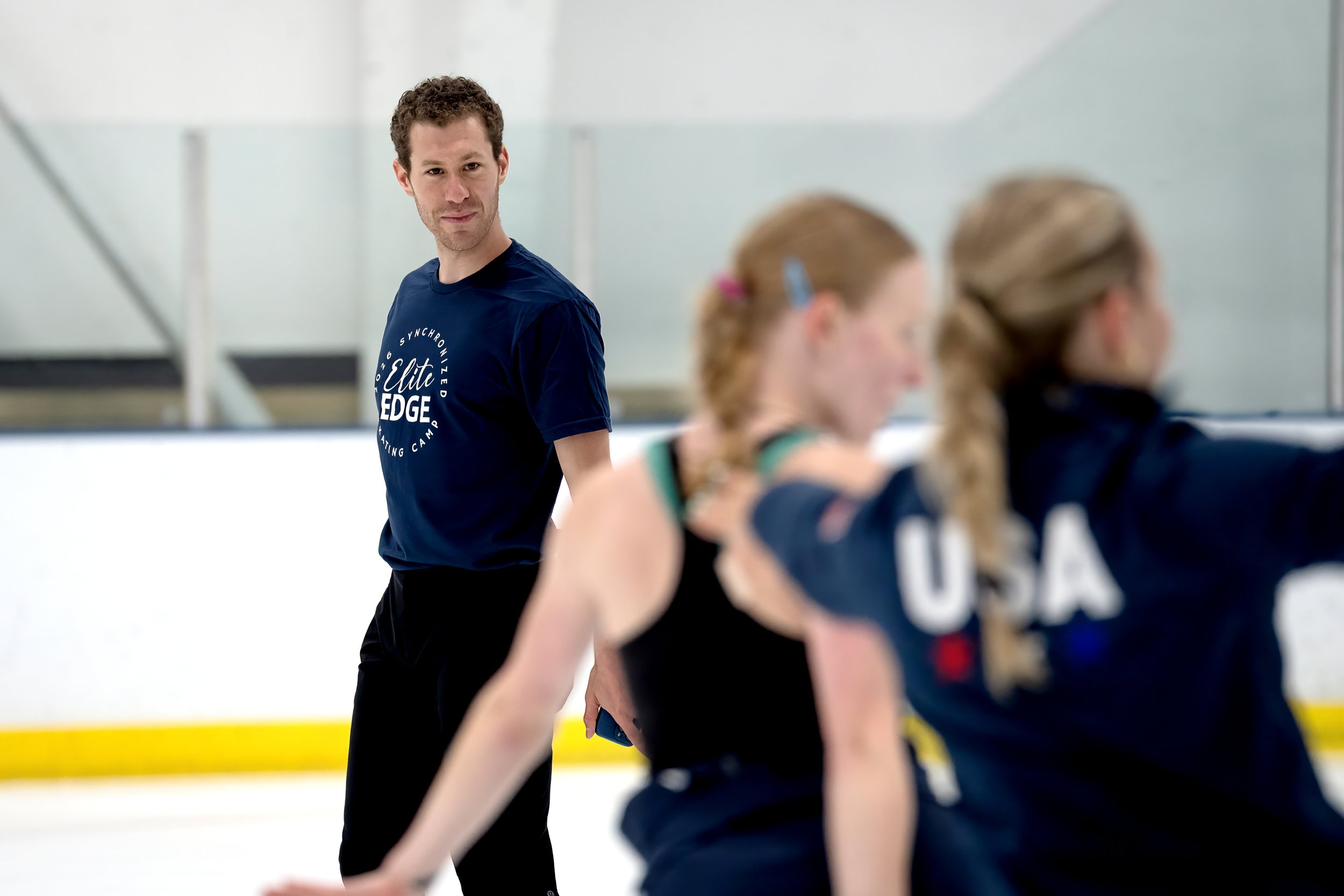
This is what the day was really about.
The Olympic pedigree was certainly part of the excitement. But once the session began, Jason wasn't there simply as someone for the skaters to admire.
He was there to teach.
Demonstrate. Explain. Watch. Correct.
And demonstrate again.
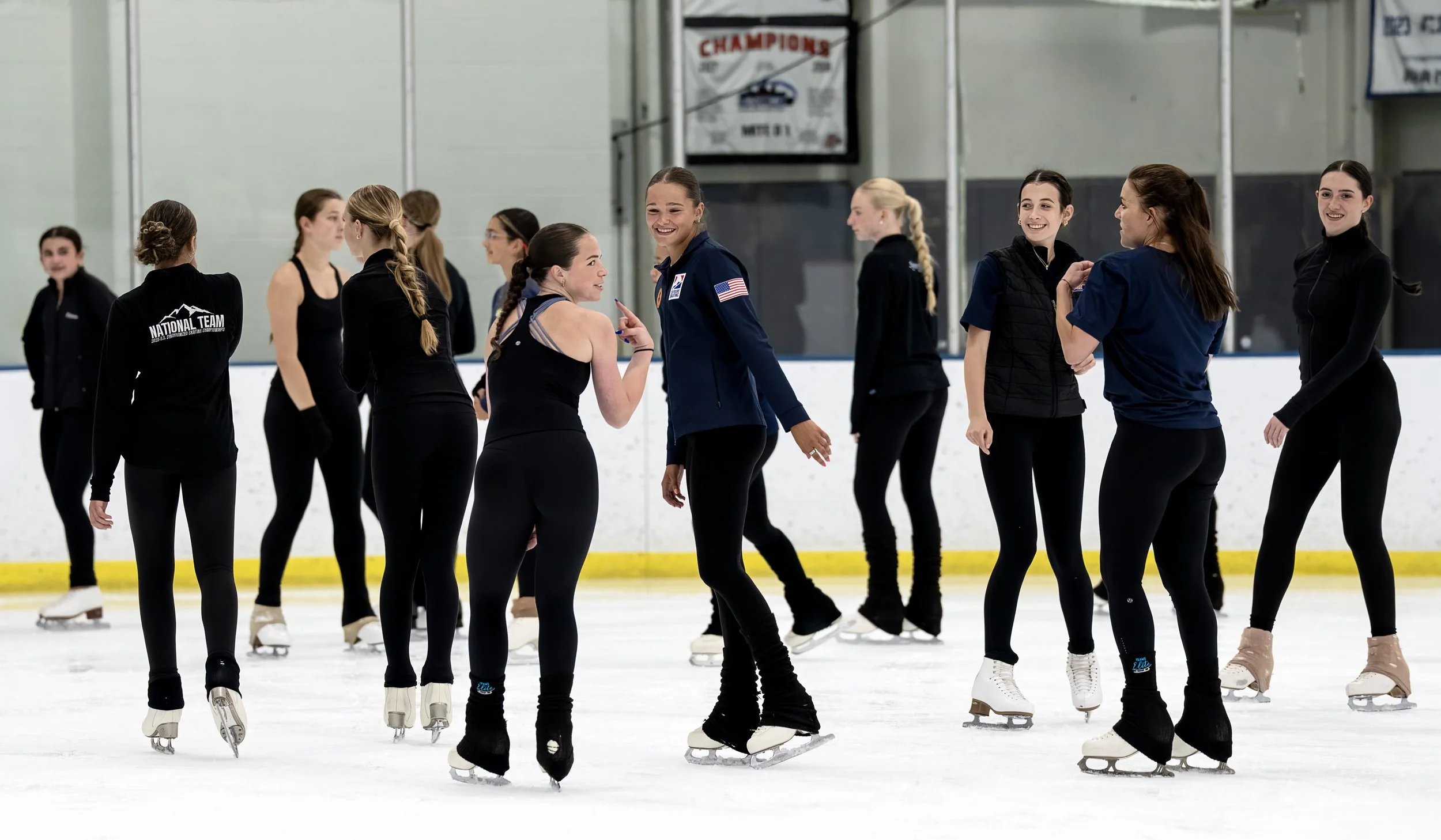
The camp wasn't passive instruction. The skaters were moving constantly—watching a demonstration, attempting it themselves, regrouping, listening and trying again.
That repetition is difficult to convey in a single photograph, but across an afternoon it becomes the story.
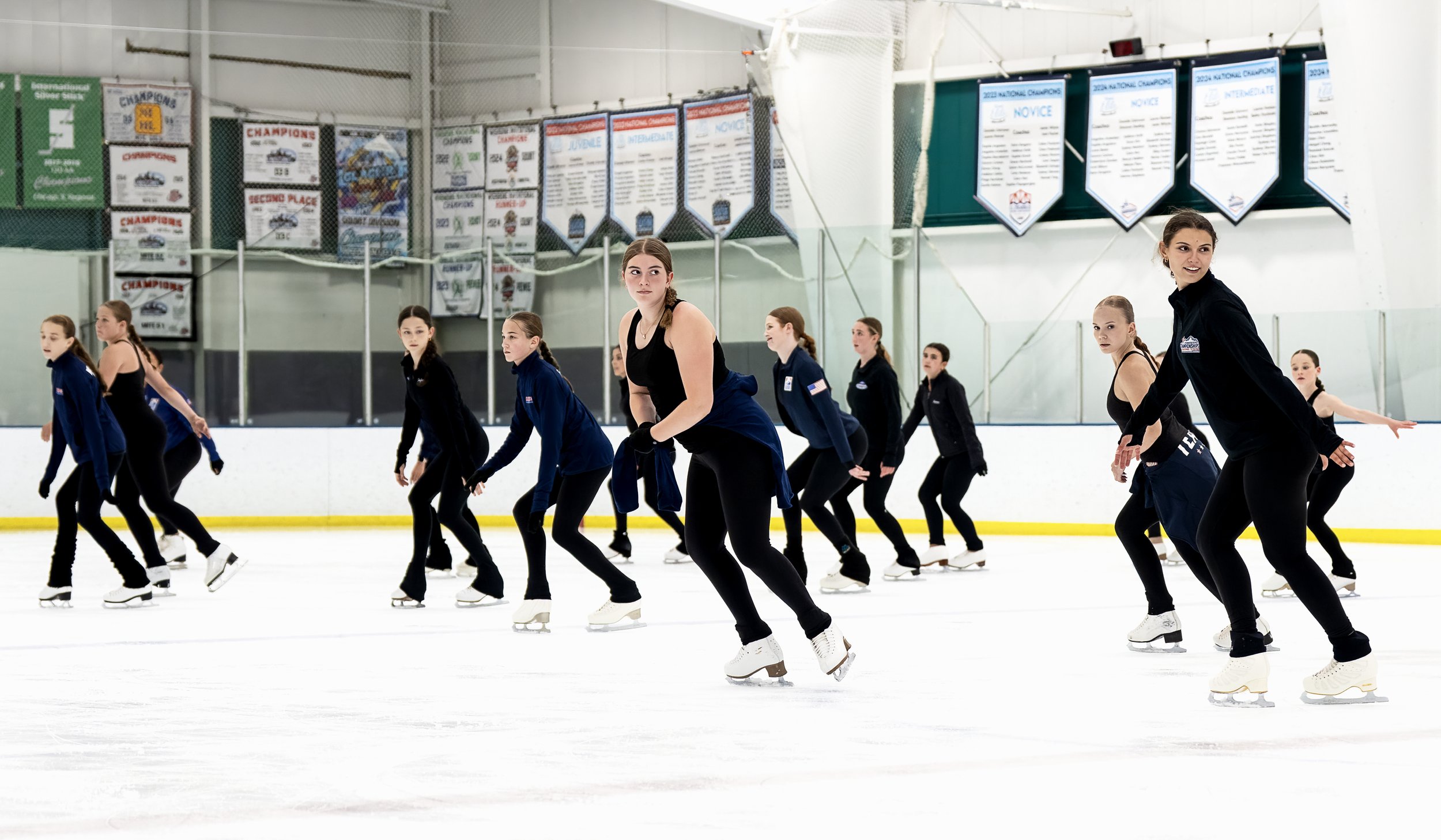
The skaters themselves should take over the visual story here.
Because the ultimate measure of good coaching isn't the demonstration.
It's what happens when the athletes take that instruction back onto the ice.
Beyond the Instruction
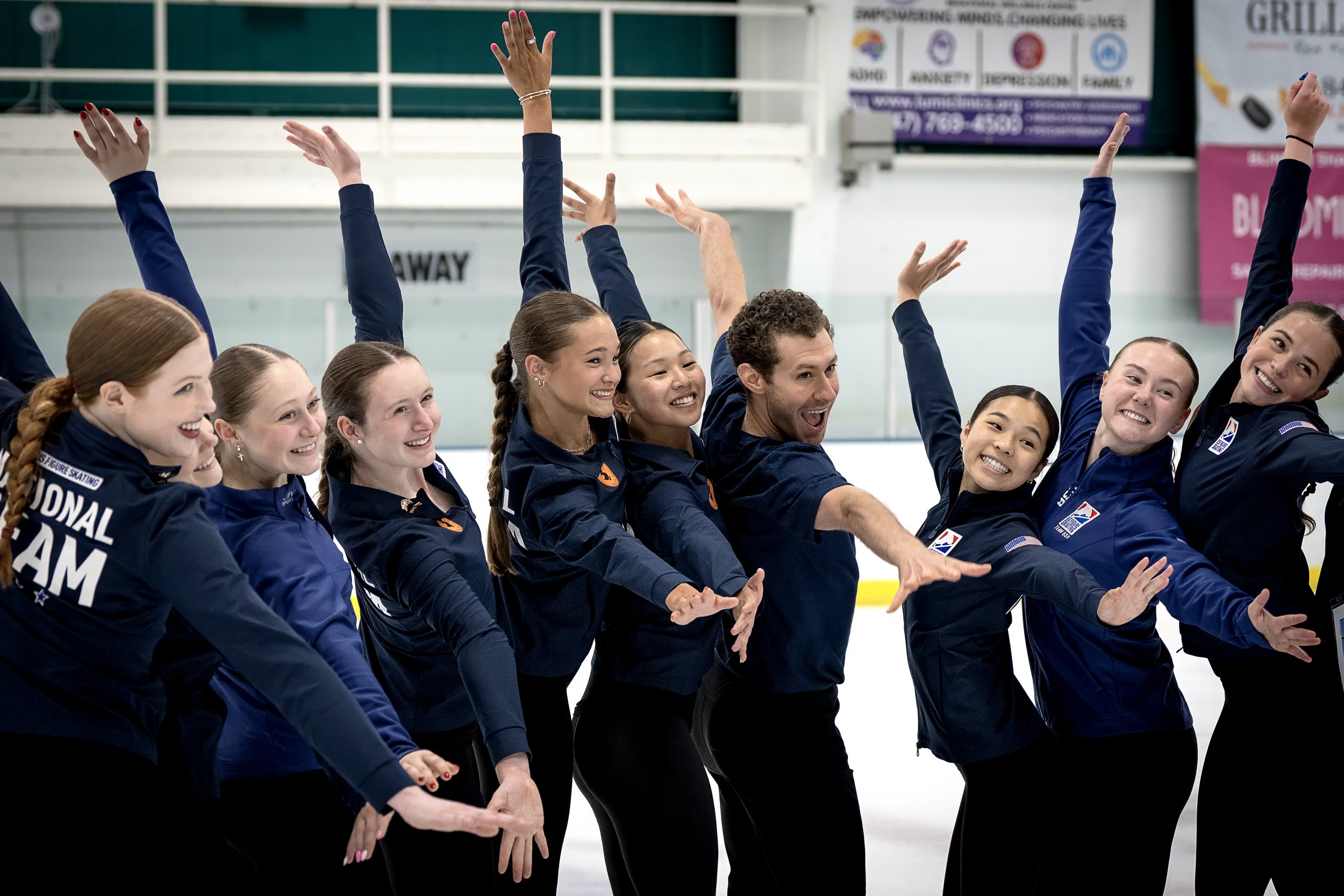
Despite the concentration, there was plenty of personality.
Elite training doesn't have to look grim. Some of my favorite photographs from the camp weren't necessarily the most technically impressive skating moments. They were the moments when the athletes relaxed, laughed and reminded me that a successful training environment is also built around camaraderie.
Some moments were more personal.
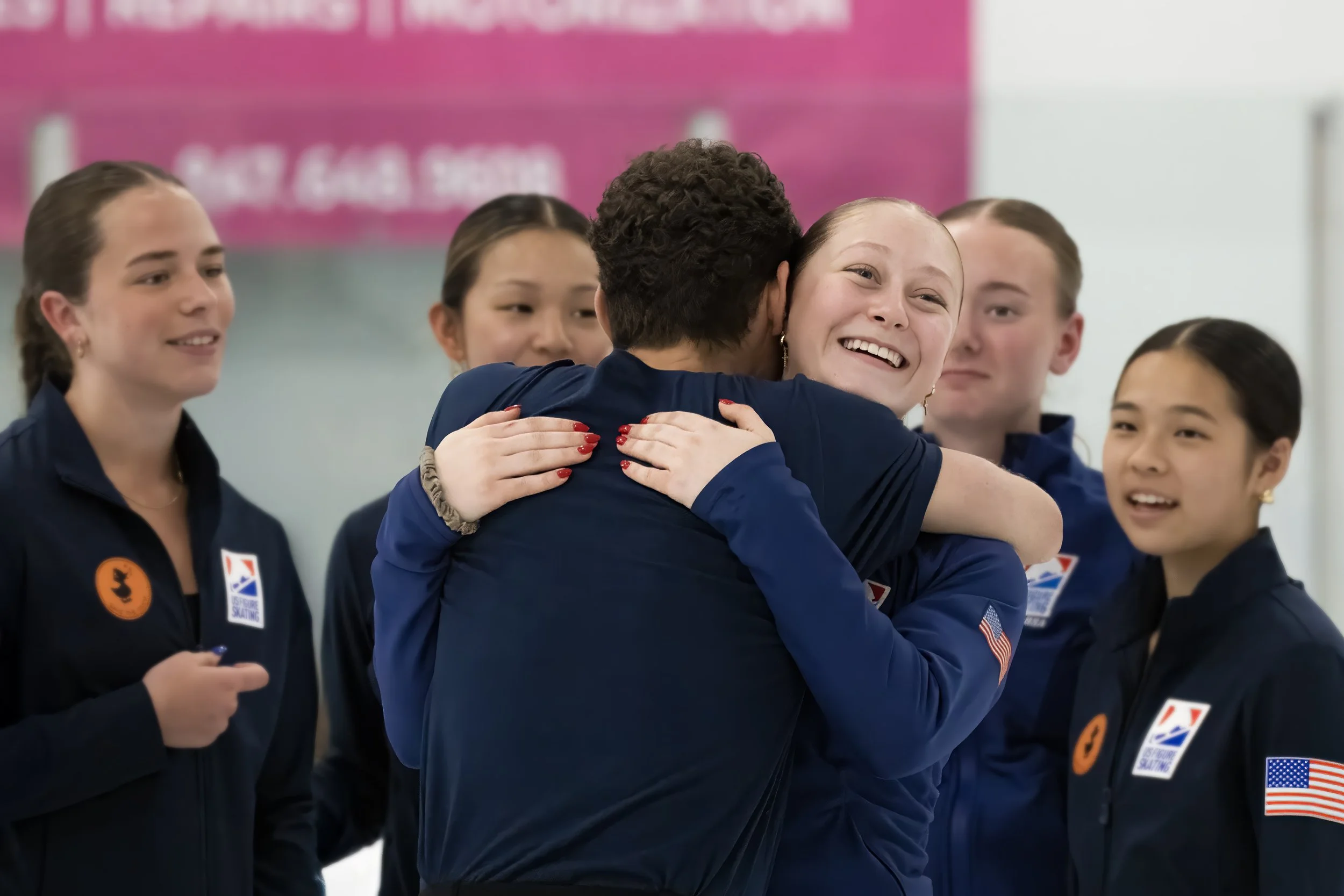
One of the skaters at the camp happened to be my future stepdaughter. I had gone into the event primarily thinking like a photographer—watching backgrounds, anticipating movement and looking for moments.
Then I found myself photographing a moment that mattered to me for an entirely different reason.
Jason took a moment to give her a hug.
I didn't need to anticipate anything.
I just needed to press the shutter button.
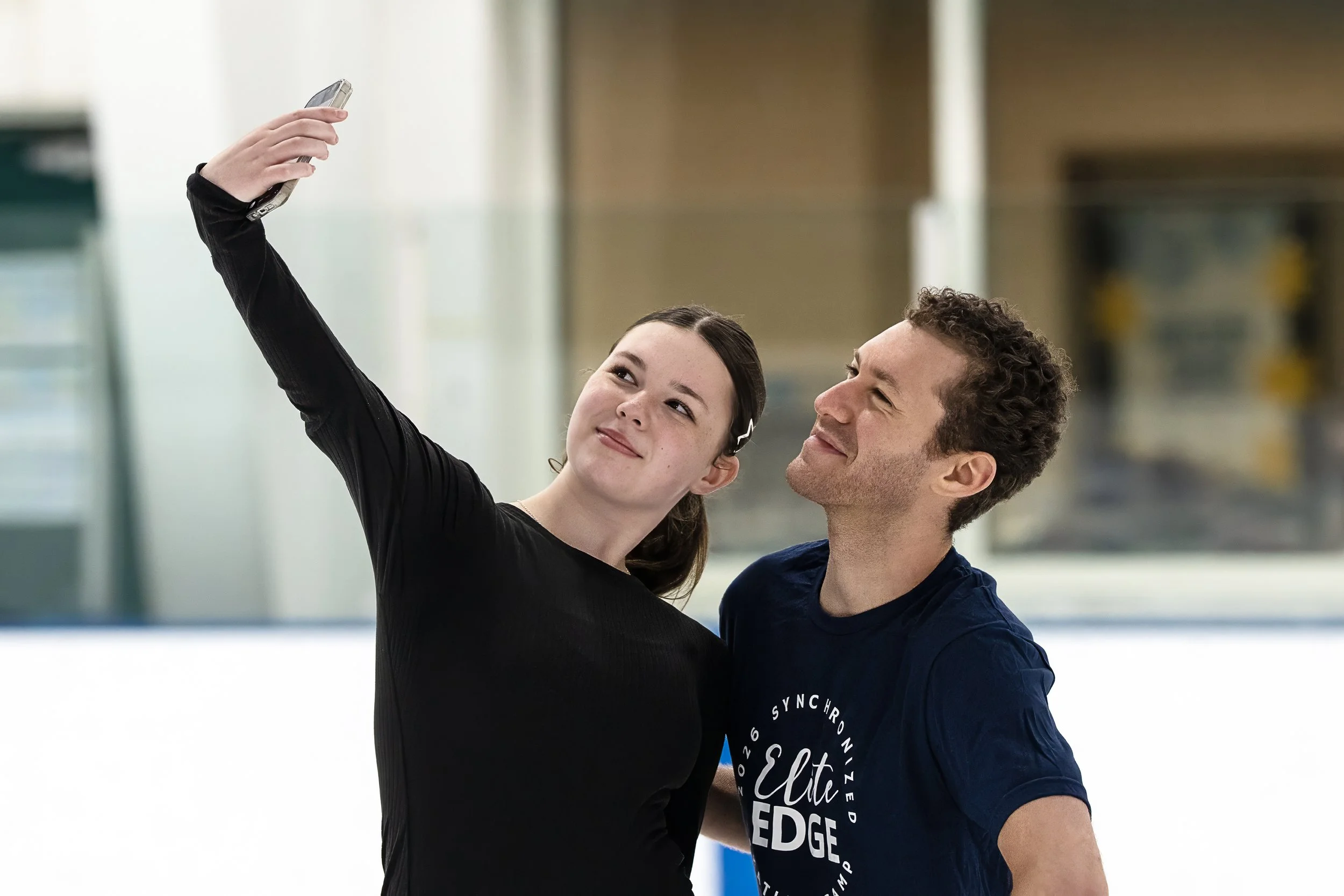
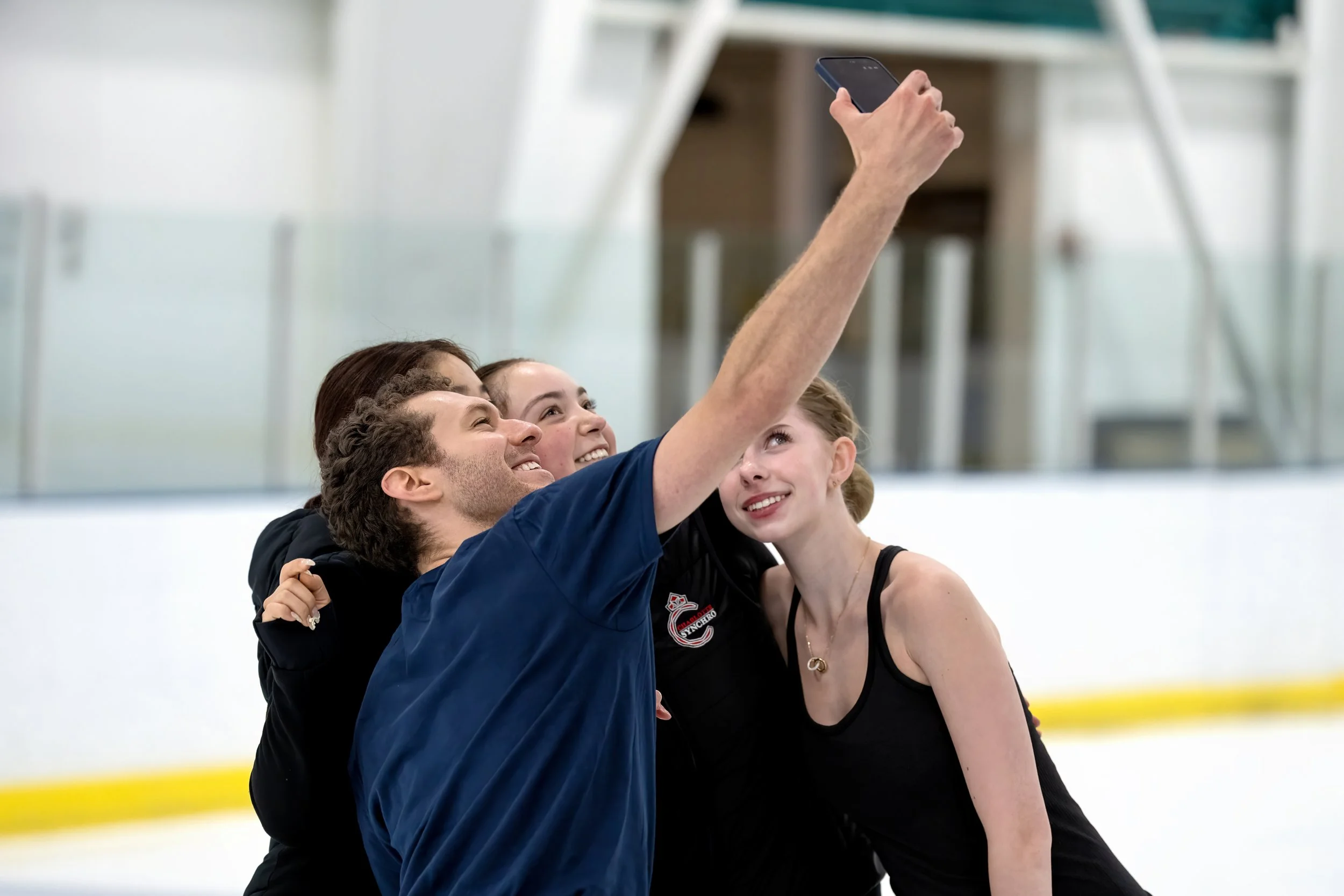
And sometimes the best thing a photographer can do is photograph someone else taking the photograph.
These informal moments helped reveal another side of the camp—one that existed between the demonstrations and drills.
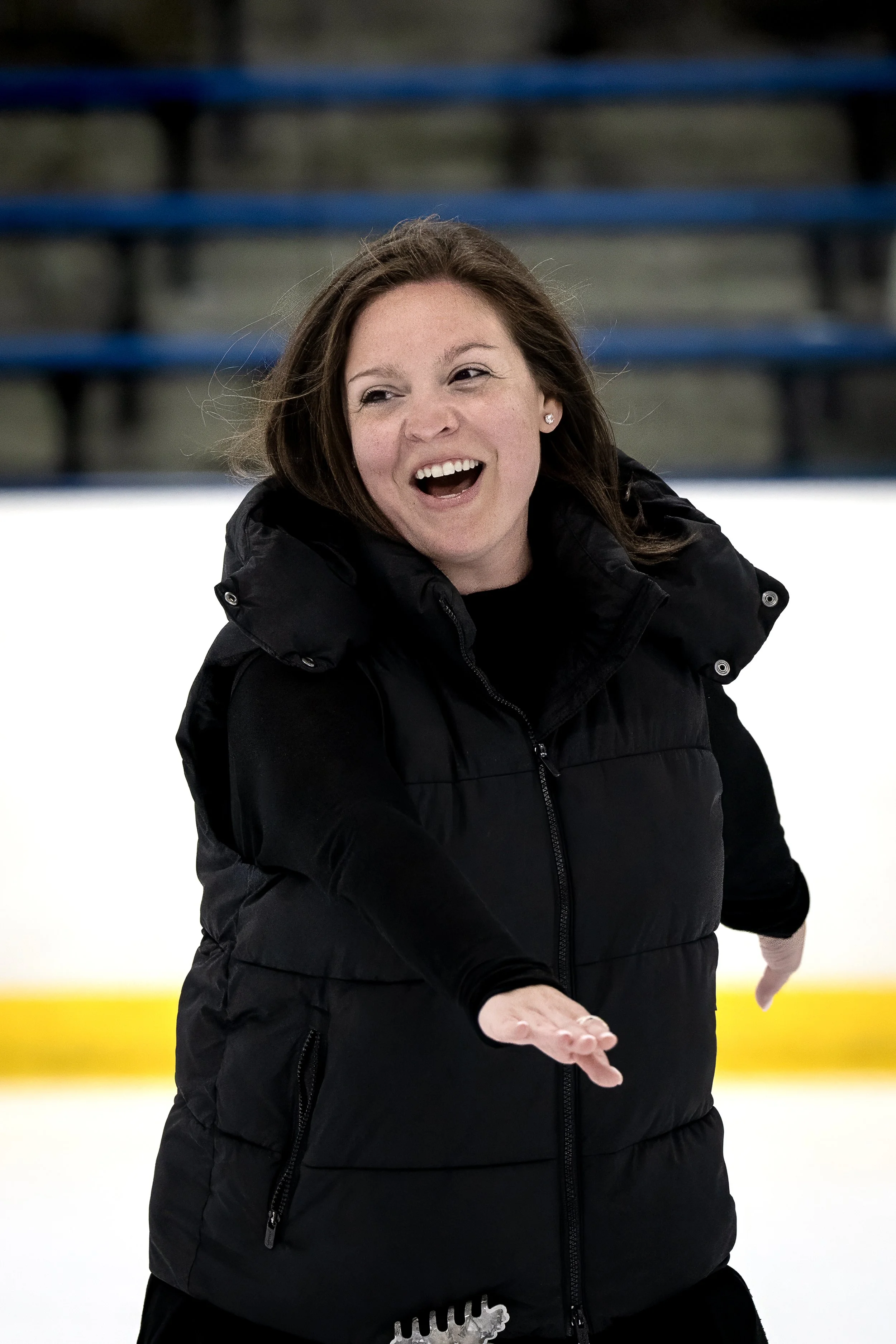
Elite Edge was much more than a single guest instructor.
Throughout the camp, coaches worked with the skaters on the details that synchronized skating demands: individual technique, timing, body position, awareness of everyone around them and the ability to make many athletes move as though they were one.
For me, this was also an opportunity to photograph something I increasingly enjoy: people doing something they are exceptionally good at.
Whether that person is performing, coaching or learning, there is an intensity that appears when someone becomes completely absorbed in what they're doing.
That's usually where the interesting photographs are.
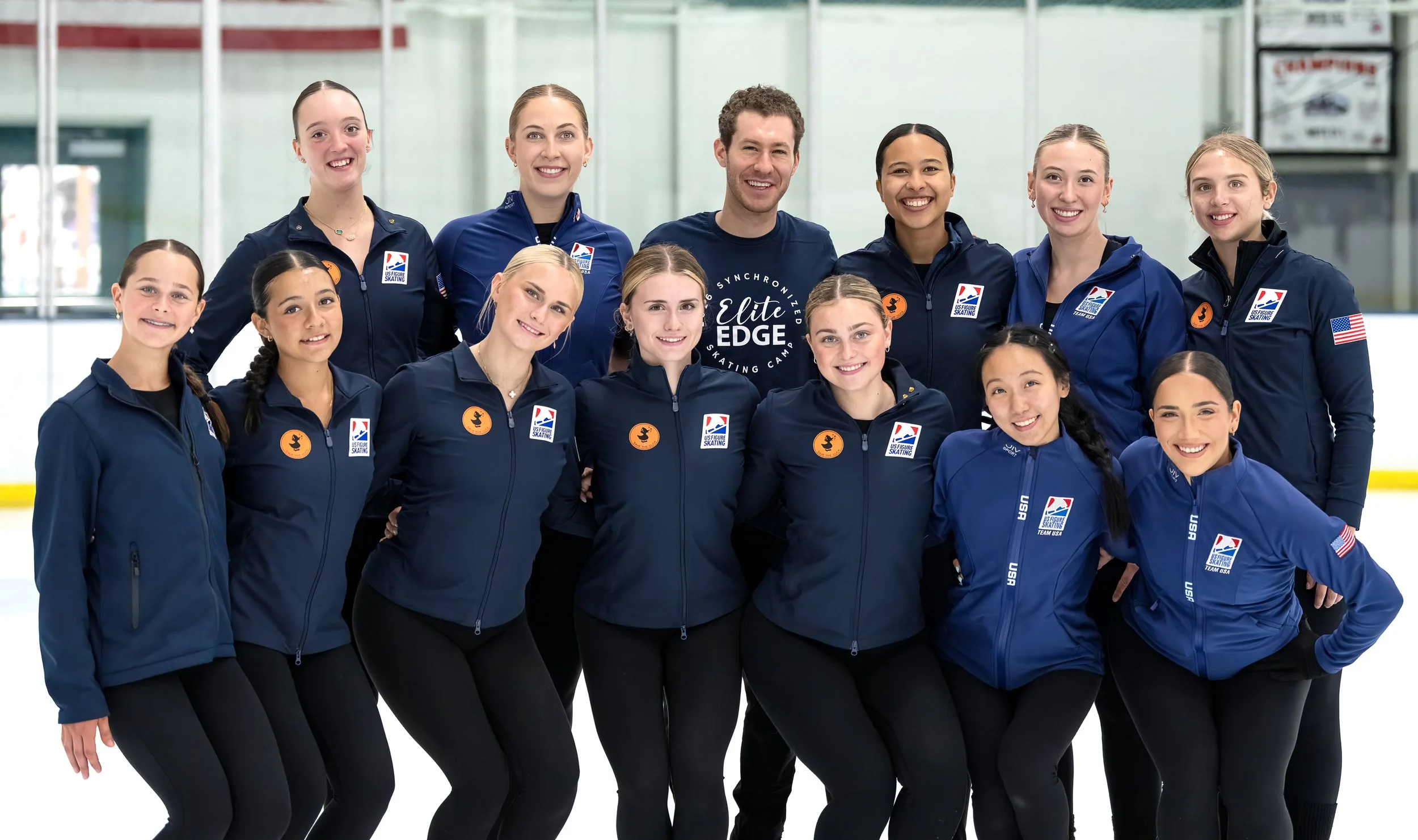
Eventually, of course, everyone stops moving long enough for the group photograph.
Looking at this image after photographing the training sessions, however, I see more than a collection of skaters standing together.
I see all the smaller moments that came before it—the demonstrations, corrections, repetitions, laughter, concentration and hundreds of trips around the rink.
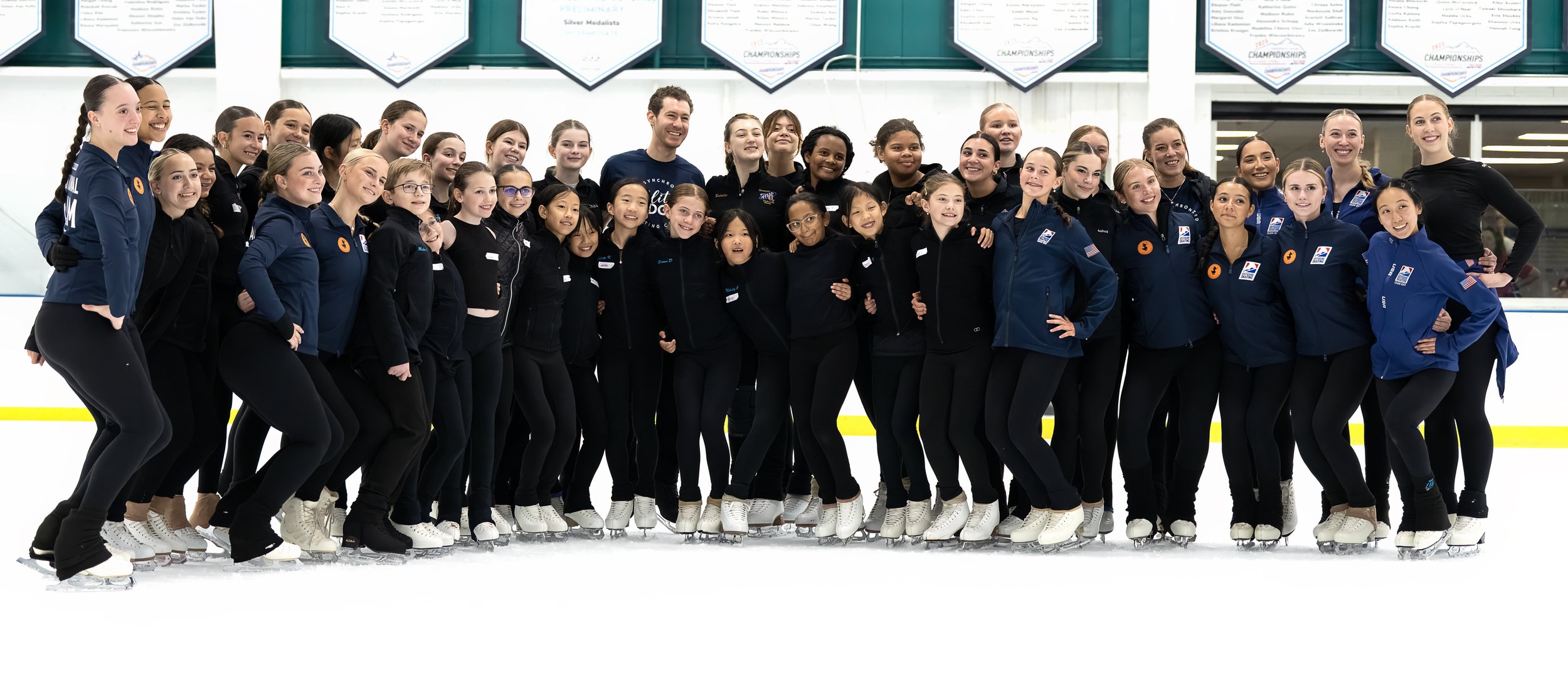
I arrived at Elite Edge expecting Jason Brown to provide some spectacular photographic opportunities.
He certainly did.
But by the end of the sessions, the photographs I valued most weren't necessarily the ones showing the most impressive skating.
They were the photographs showing connection.
An Olympian demonstrating something and a line of young skaters watching intently.
A coach offering instruction.
A skater trying again.
Teammates laughing together.
A quick hug.
A group gathering for a photograph after another long session on the ice.
Sports photography naturally draws us toward peak action—the jump, the turn, the perfect extension. And I will always love trying to capture those fractions of a second.
But photographing Elite Edge reminded me that sometimes the better story happens between those moments.
It's the work before the performance.
The teaching before the achievement.
And the people who help an athlete find the next edge.