
Coming Home to Make Music
Five Decades of University of Kentucky Percussion Alumni Return to the Stage
There are reunions where people gather to remember what they once did together.
This one came with marimbas, vibraphones, drums—and a stage filled with percussionists.
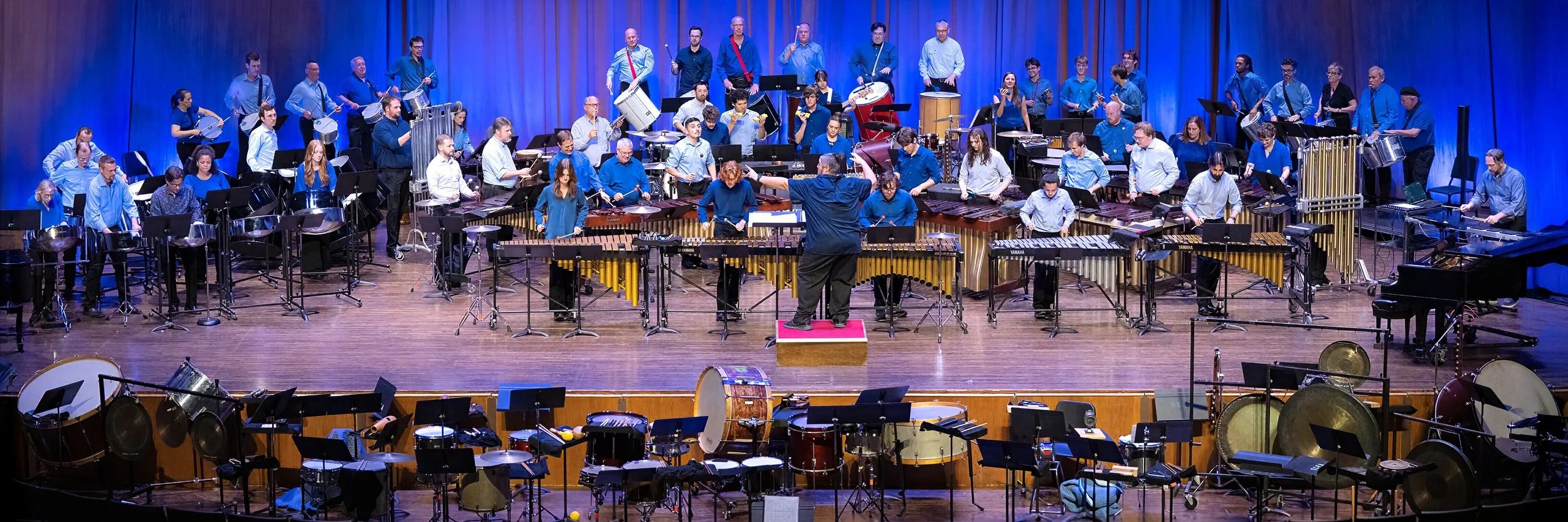
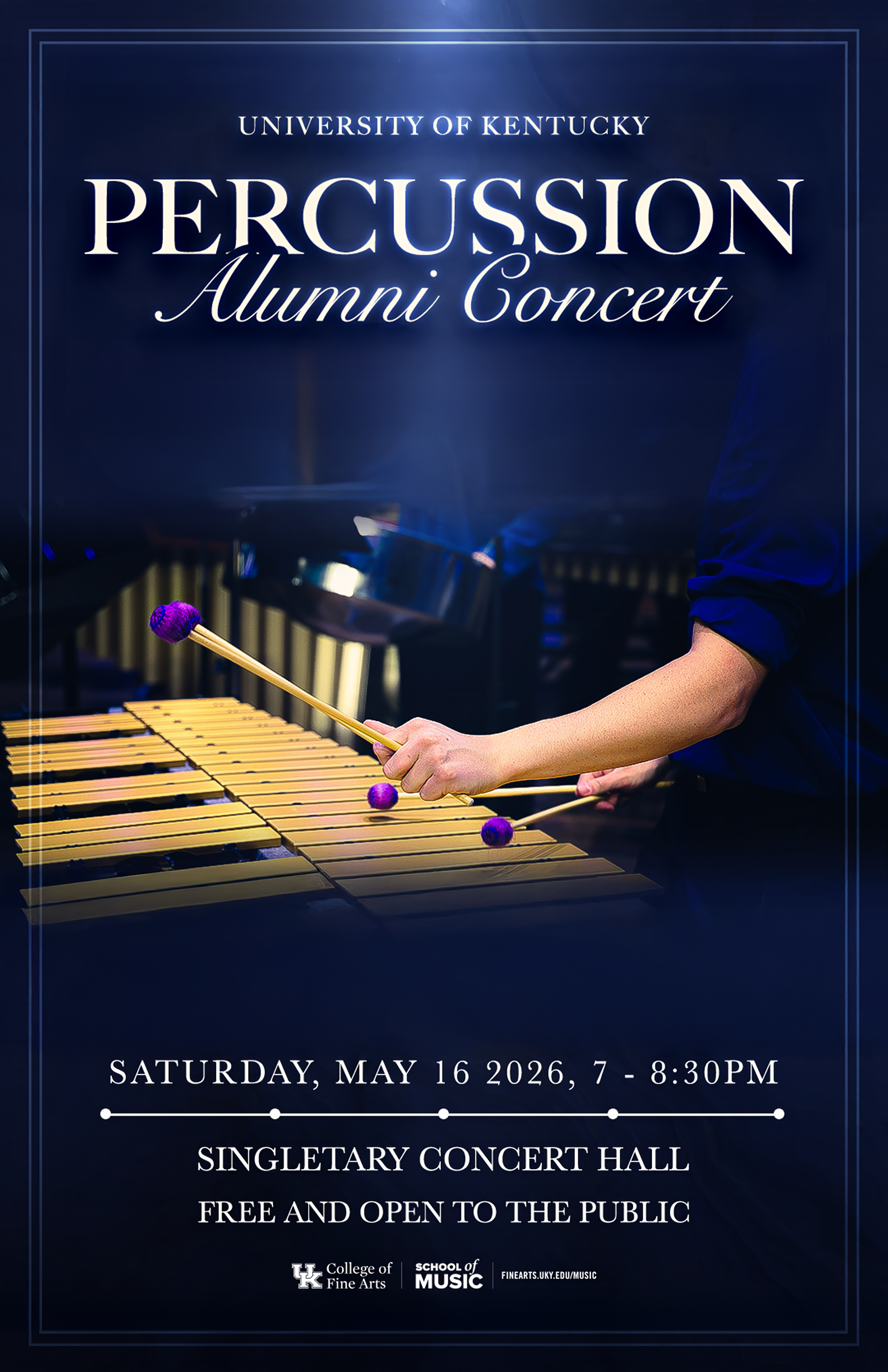
On May 16, 2026, more than 60 University of Kentucky percussion alumni returned to Lexington for a remarkable evening at the Singletary Center for the Arts.
They represented more than five decades of the UK percussion program, from alumni of the 1970s to current students. Some had studied together. Others attended Kentucky many years apart and had never shared a stage before.
For one evening, they were all part of the same ensemble.
I came to Lexington because Teralyn is one of those alumni.
I've seen throughout our time together how important music and music education remain in her life. Today, she serves as a fine arts administrator and has spent much of her career helping create opportunities for young musicians.
But this weekend was different.
She wasn't returning as an administrator or educator.
She was returning as a University of Kentucky percussionist.
And I had the privilege of watching—and photographing—a little of the musical world that helped shape her.
Five Decades, One Stage
Percussion probably isn't the first thing most people imagine when they picture a concert hall filled with musicians.
There are no rows of violinists or brass sections neatly seated behind music stands.
Instead, the stage becomes an extraordinary landscape of instruments.
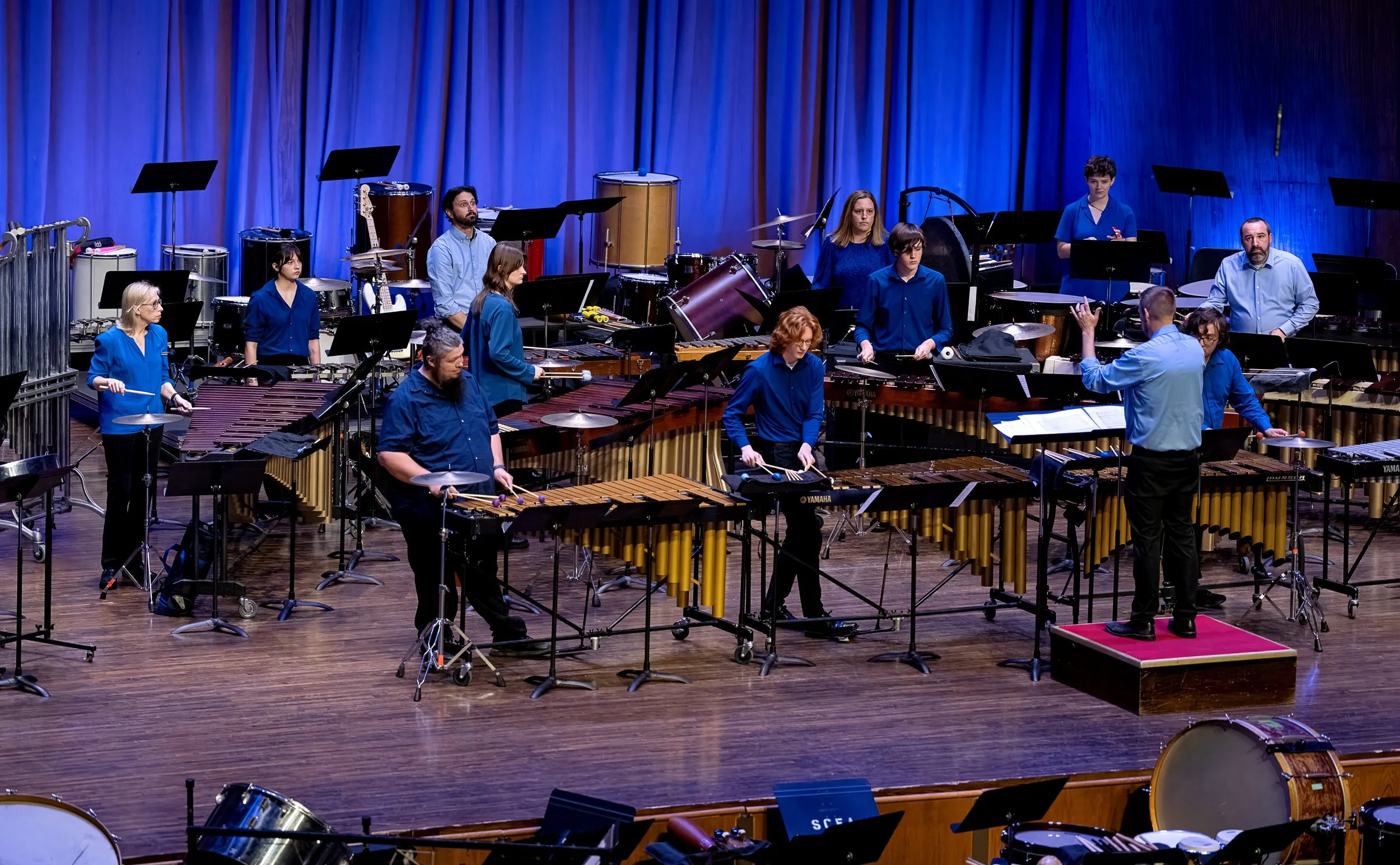
Marimbas. Vibraphones. Drums. Cymbals. Chimes. Keyboards. Gongs. Instruments I could identify—and more than a few I couldn't.
For a photographer, it's tremendous fun.
There seems to be something happening everywhere.
Mallets rise and fall. Musicians cross between instruments. Hands, sticks and entire bodies are constantly in motion.
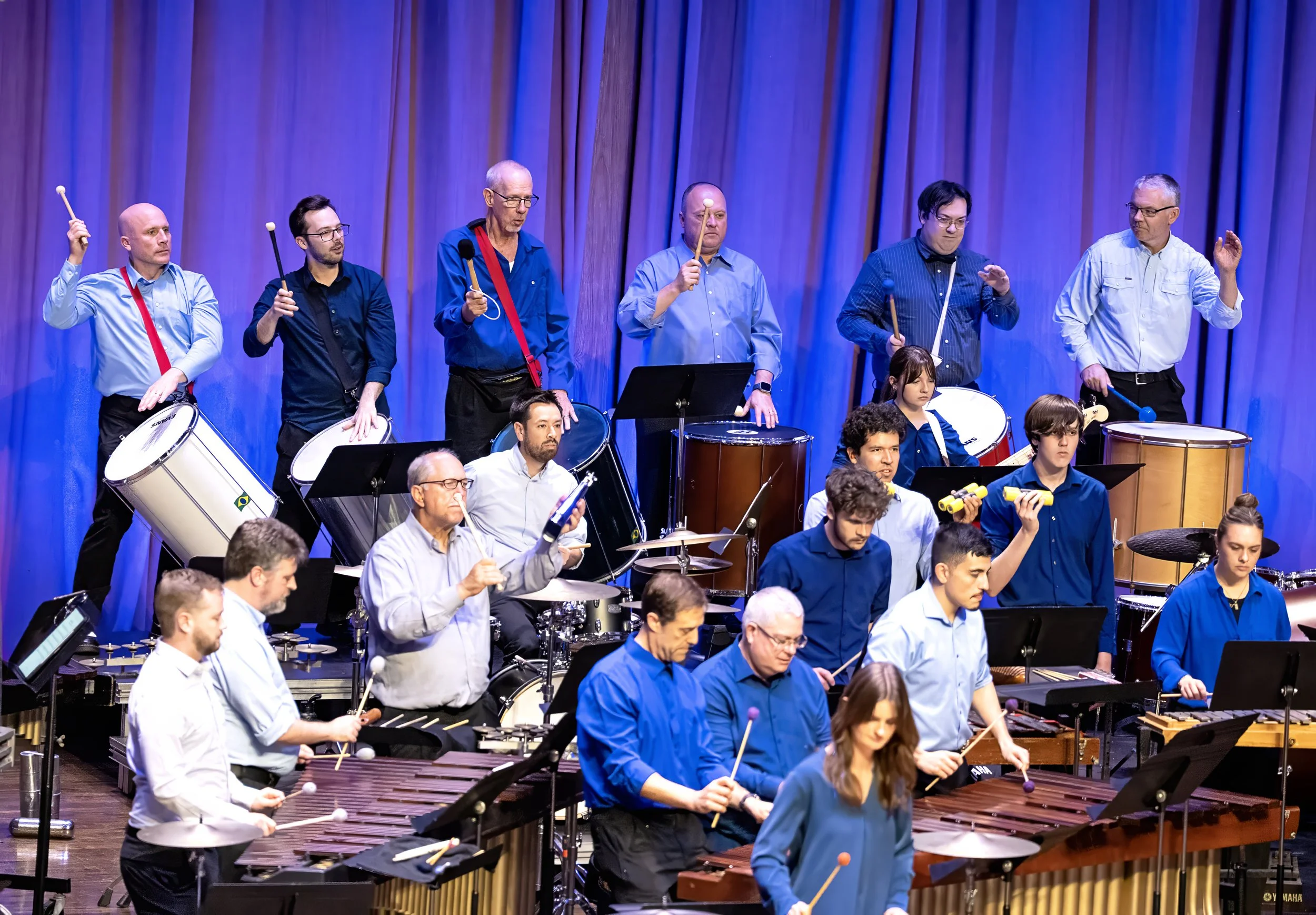
But the sheer number of performers onstage wasn't simply for spectacle.
The gathering represented generations of musicians who had passed through the University of Kentucky percussion program and carried that experience into their own careers and lives.
The program itself reflected that history.
Among the evening's highlights was the world premiere of a work by 2012 UK graduate Tyler Swick, written specifically for the event and involving the entire group. D.M.A. alumna Julie Hill's Rudi's Batuque, first performed at a UK percussion alumni concert two decades earlier, returned to the program. The concert also included Edgard Varèse's landmark percussion work Ionisation, performed with expanded instrumentation and personnel.
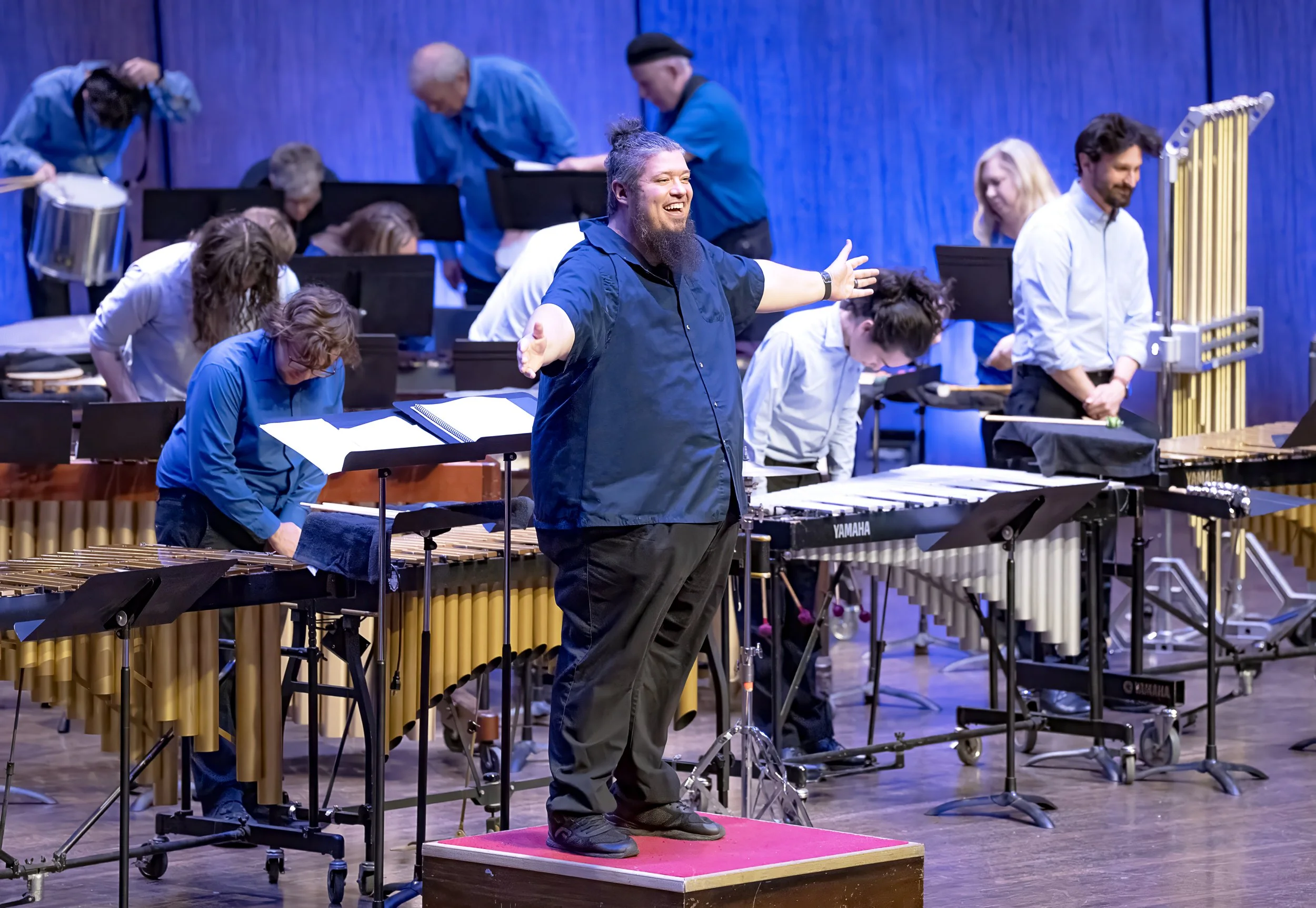
Different generations.
Different careers.
Different musical paths.
For one night, back on the same stage.
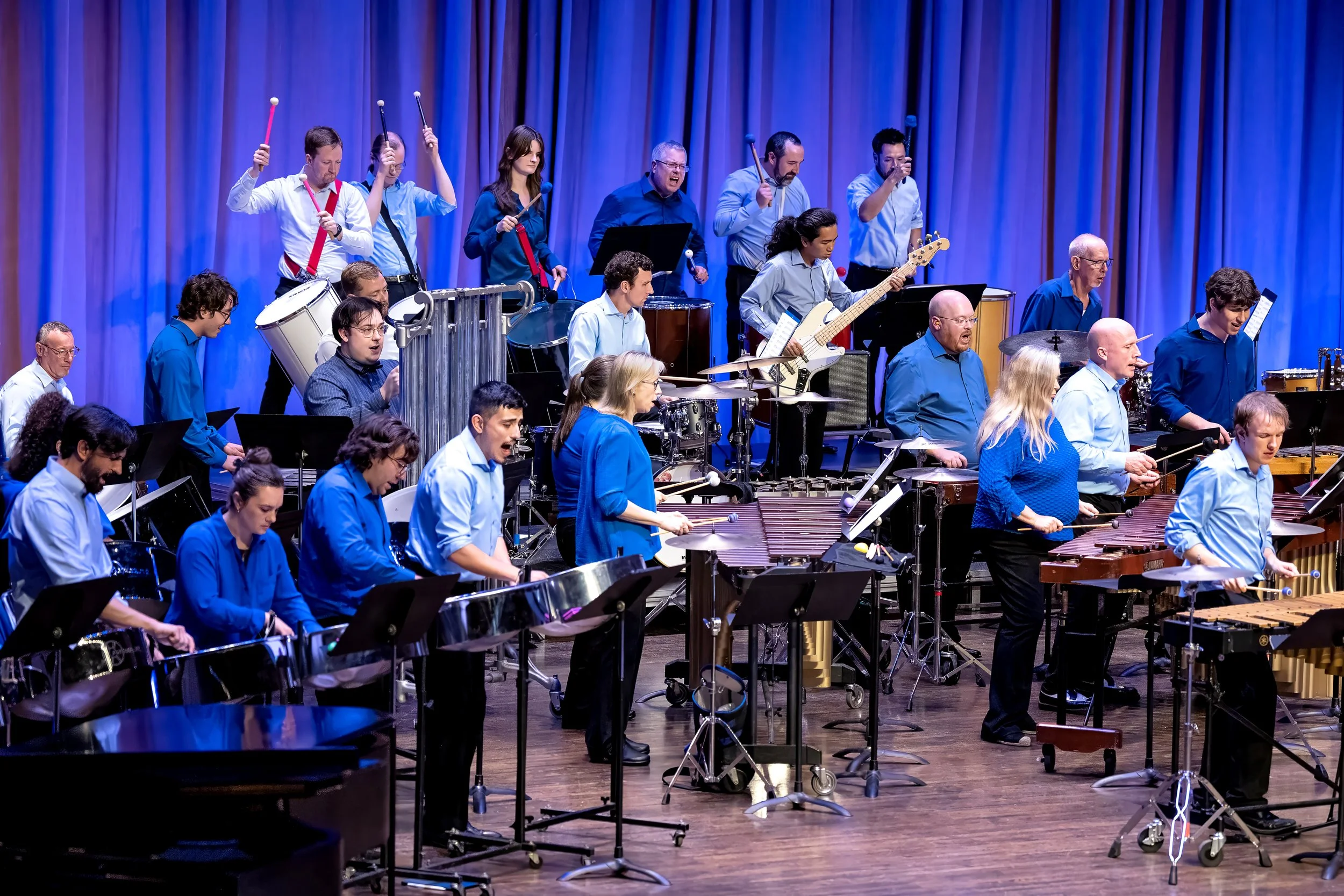
The Teacher Behind Generations
There was another reason so many musicians returned to Lexington.
The evening was also a tribute to Professor Emeritus James Campbell.
Professor Campbell taught at the University of Kentucky and directed its percussion ensemble from 1985 until 2023—nearly four decades during which he taught and mentored generations of percussionists.
His influence extends well beyond Lexington. During his tenure, the UK Percussion Ensemble won the Percussive Arts Society Collegiate Percussion Ensemble Contest five times, and many of his former students went on to careers as university faculty and professional performers. Campbell himself has been recognized nationally for his contributions to percussion and music education.
For the alumni gathered onstage, however, those accomplishments told only part of the story.
This was their teacher.
Their mentor.
And for many of them, one of the people who helped determine where music would take them next.
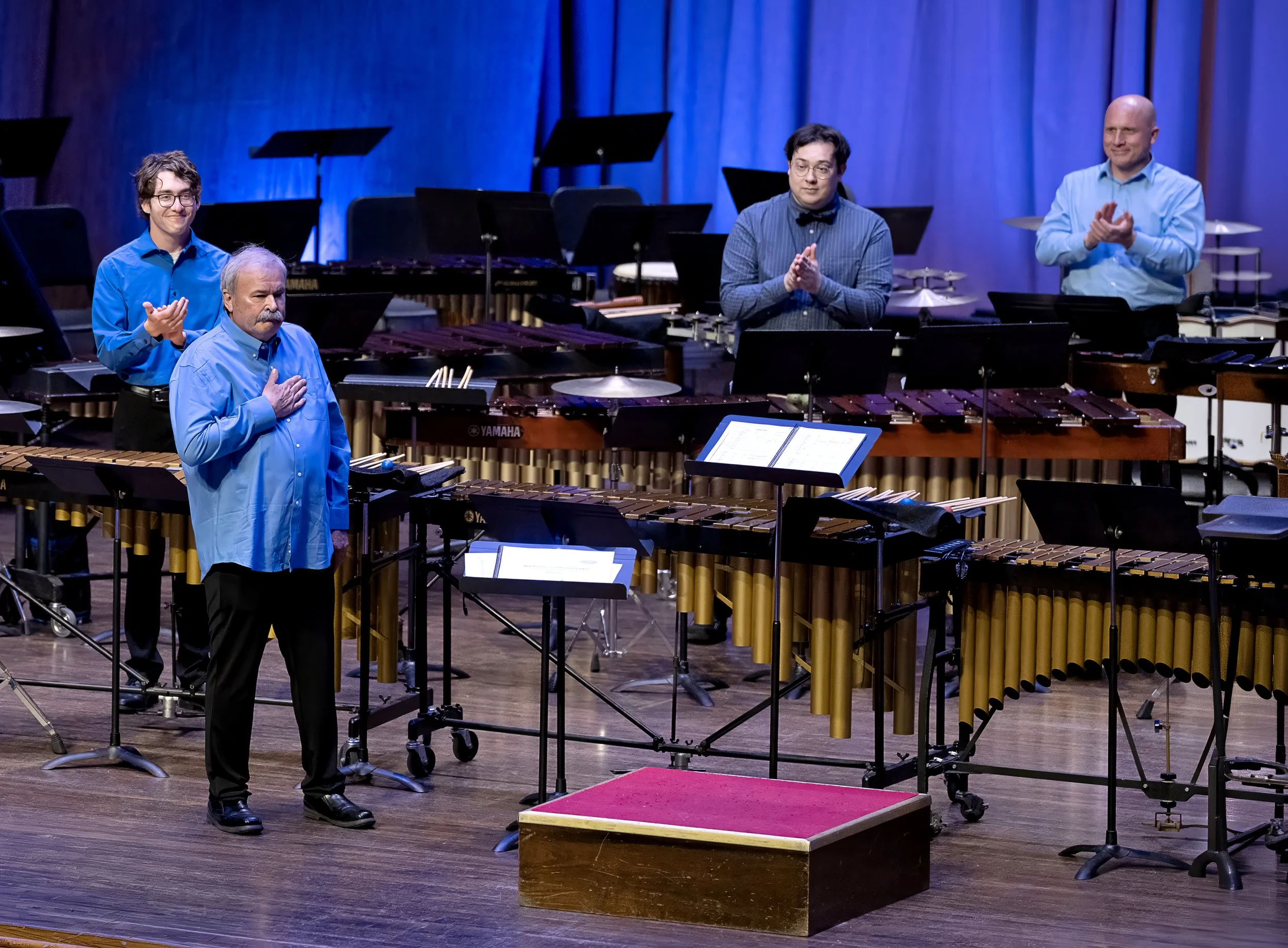
At one point during the evening, Professor Campbell stood quietly onstage as the people around him—and the audience in front of him—applauded.
His hand went to his heart.
Sometimes a photograph doesn't need much explanation.
Making Music Together Again
The concert wasn't designed simply as a retrospective.
This wasn't a room full of former musicians reminiscing about what they used to do.
They came back to play.
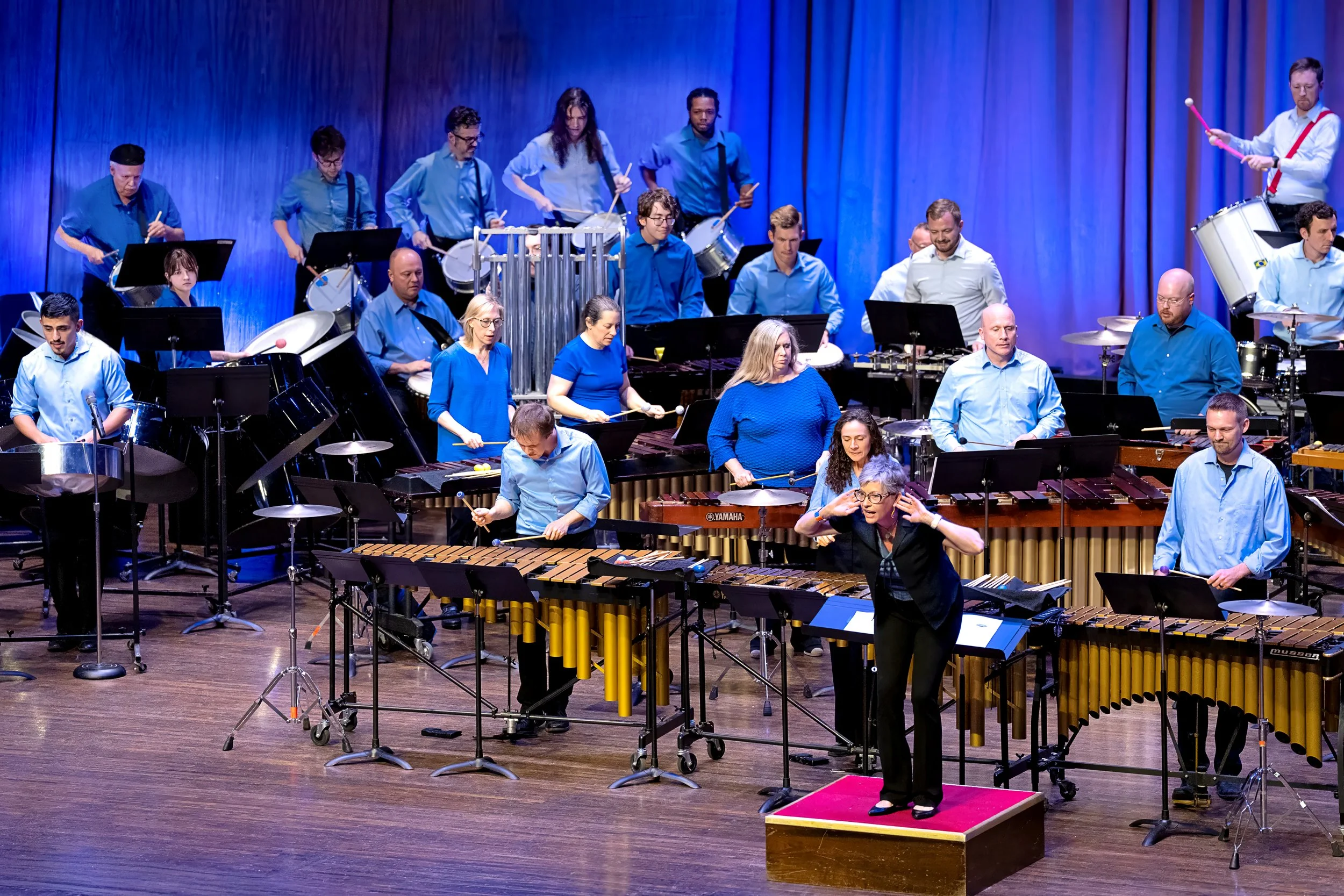
And that may be what I enjoyed most about photographing the evening.
The years separating one graduate from another seemed almost irrelevant once the music began.
Someone who studied at Kentucky decades ago might be playing only a few feet from someone whose UK experience is just beginning.
The connection was the music—and the program they shared.
There was also a more solemn moment. The alumni performed Brian Nozny's Have You Ever Seen the Grand Canyon as a memorial tribute to members of the UK percussion community who had died.
It was another reminder that a program lasting this many decades becomes something larger than classes, concerts and degrees.
It becomes a community.
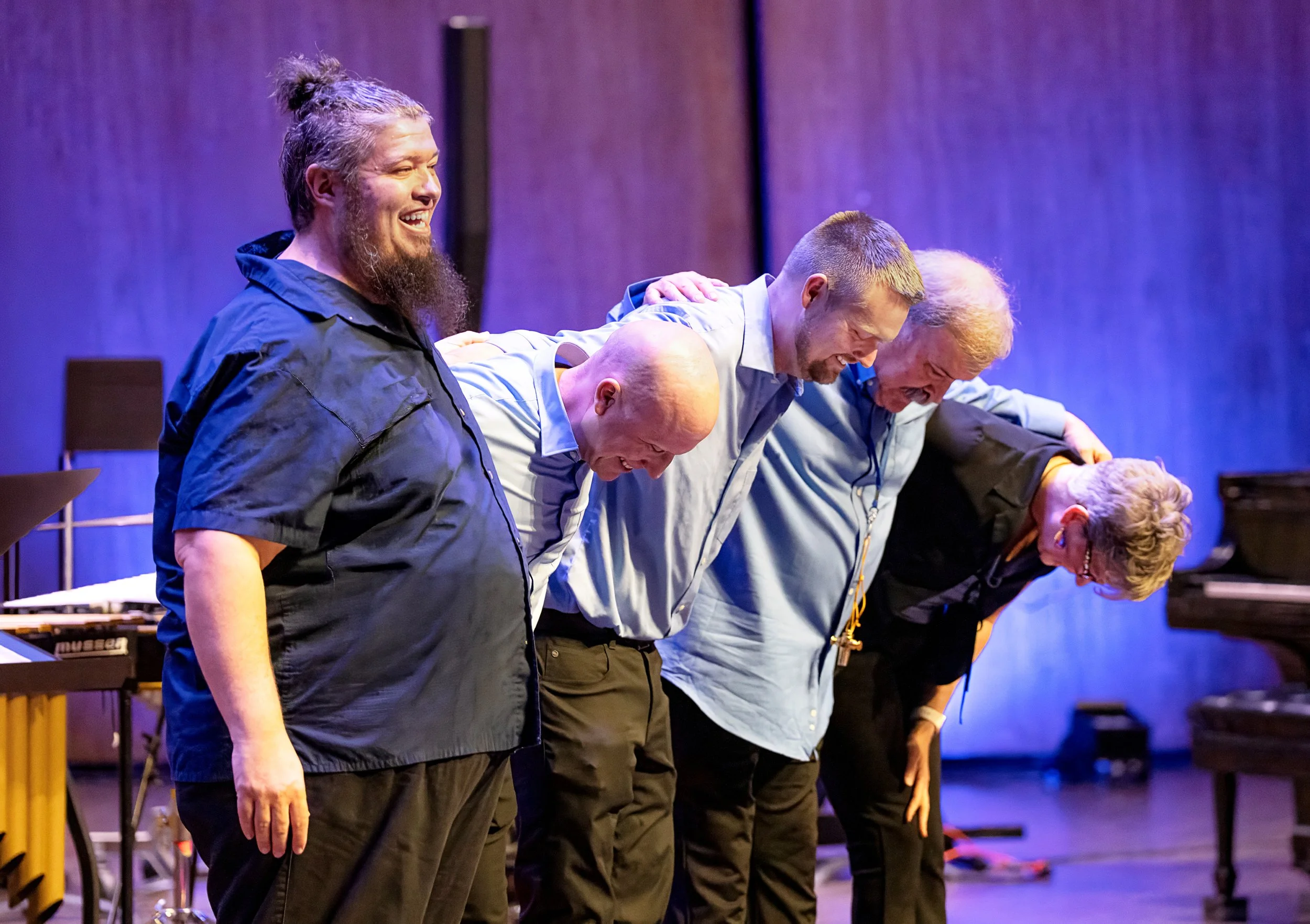
One More Bow
Eventually, the last notes ended.
The conductors came forward together.
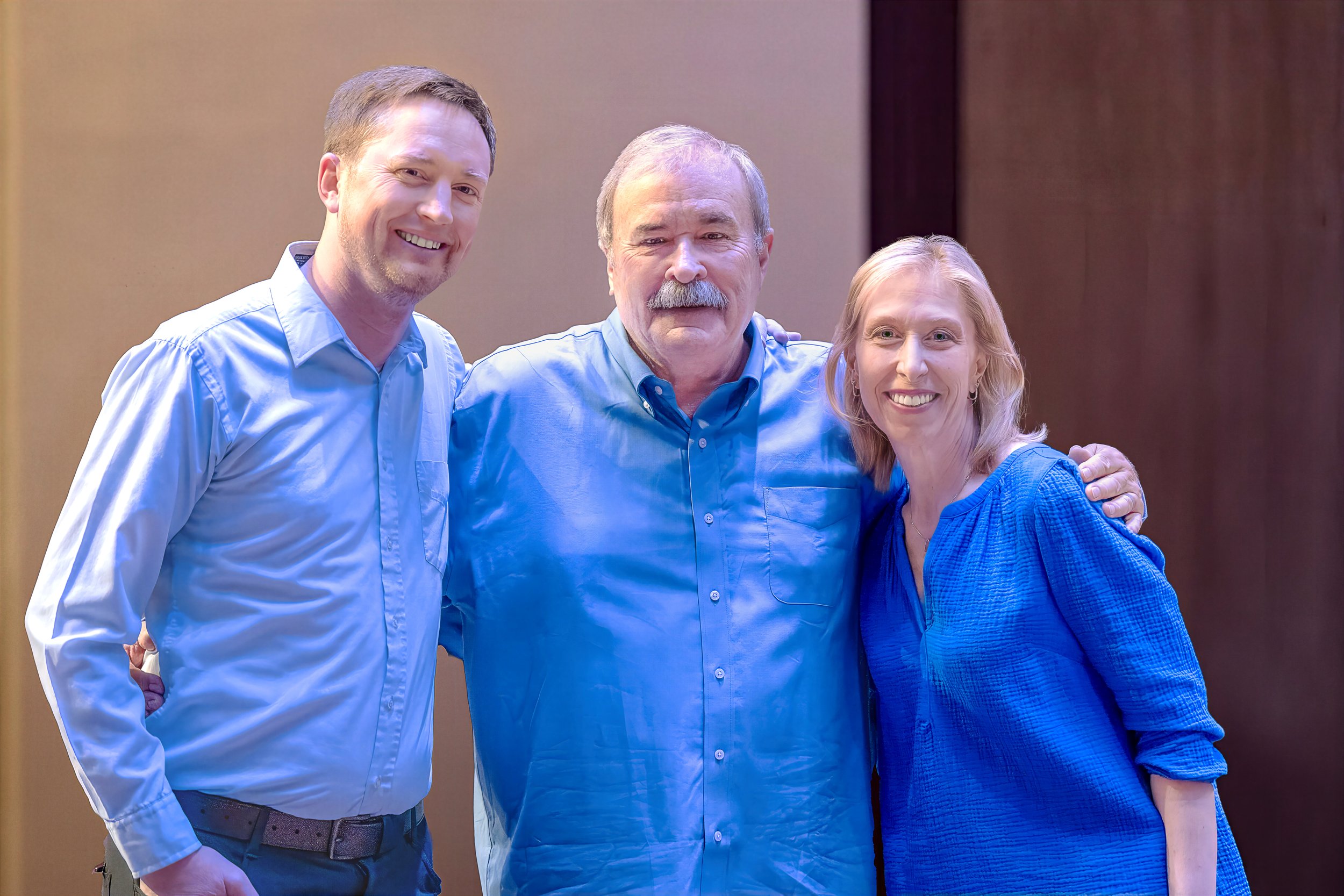
From my seat behind the camera, I'd spent much of the evening concentrating on expressions, gestures, mallets, movement and timing.
But looking at the entire stage at the end, the significance of the event became much easier to see.
This wasn't simply a percussion concert.
It was five decades of people returning to a place that had once been an important part of their lives.
And for Teralyn, it was an opportunity to become part of that sound again.
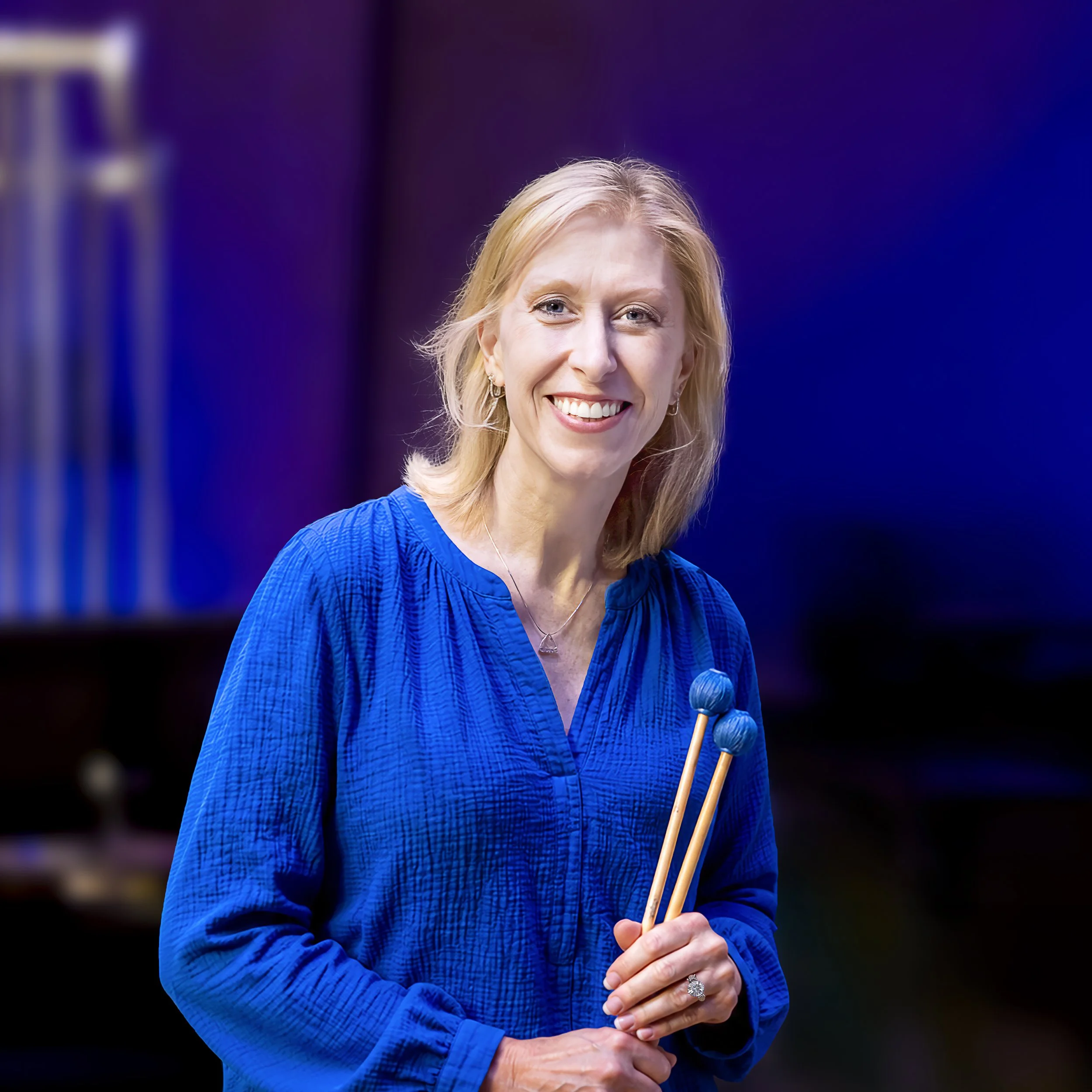
I went to Lexington because someone I love was returning to make music with people who shared an important part of her past.
I came home with photographs of something much larger.
The Alumni
More than 60 musicians.
More than five decades.
One stage.
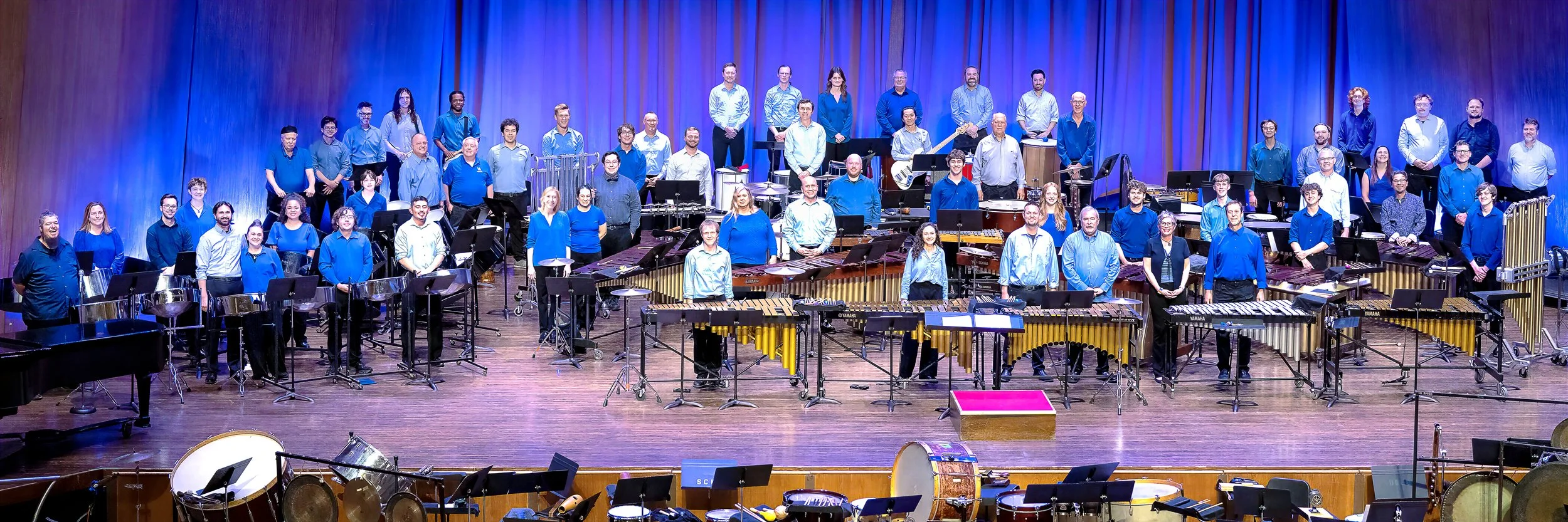
Different generations of University of Kentucky percussionists—together again.
Not simply to remember what had been.
But to make music together one more time.